
Attention and Perception: How Attention Shapes What We See
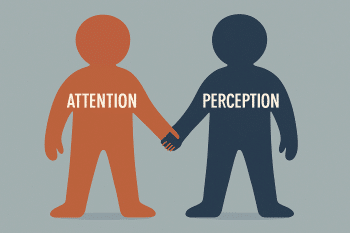
We don’t perceive the world as it is — we perceive what we attend to. This article unpacks how attention acts as a mental filter, shaping our experience of reality. From cocktail parties to shadowing experiments, perception is revealed not as passive recording but as active selection.
Why Spaced Repetition Is Important to Learning and How to Do It
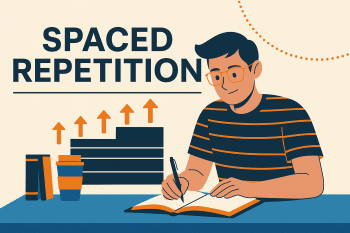
Spaced repetition isn’t just smart—it’s scientifically proven to make learning faster and more durable. Based on pioneering work by Hermann Ebbinghaus, this article explains how timing your reviews over days—not hours—can slash effort, strengthen memory, and allow your brain to consolidate knowledge even while you sleep.
Is Dyslexia Genetic? Will My Child Inherit It?
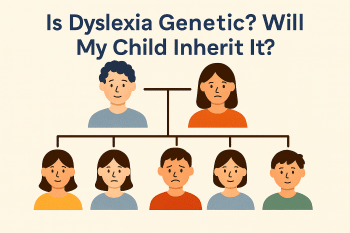
“Deer momee and dadee… I canot reed.” With these heartbreaking words, a boy named David reveals the pain of dyslexia—and a question many parents ask: Is it inherited? This article explores the science of dyslexia’s genetic roots, the role of environment, and why early support can change a child’s future.
Why We Must Teach Dyslexic Children to Read—Not Just Help Them Cope
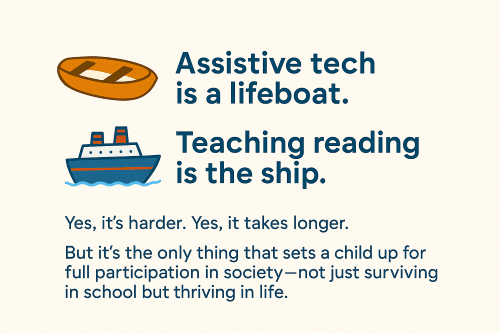
Assistive technology may help dyslexic children cope, but it won’t teach them to read. This article makes the case for real literacy instruction—because thriving in life requires more than just getting through school.
Learning Skills vs. Learning Strategies: Why the Difference Matters
Many educators confuse learning skills with learning strategies, but the distinction is critical. This article breaks down the difference, why it matters, and how getting it right leads to more effective teaching and learning.
Neuroplasticity Healing Dyslexia, Part 2: Turning Science into Practice
In Part 2 of Neuroplasticity Healing Dyslexia, we go beyond the science of brain plasticity to explore what actually drives change: cognitive training and proven learning principles. From the myth of the “one cause” theory to the critical role of task loading, repetition, and automaticity, this article explains why dyslexia can’t be solved with phonological awareness training alone.
Neuroplasticity Healing Dyslexia, Part 1: What Science Reveals
This article explores how the science of brain plasticity, once dismissed, now offers real hope. From early pioneers like James Hinshelwood to cutting-edge MRI studies, we trace the evolution of understanding and explain why cognitive training, when paired with the right interventions, can help rewire the dyslexic brain.
Visual-Spatial Disorder: Signs and Symptoms, Causes, Diagnosis, Treatment
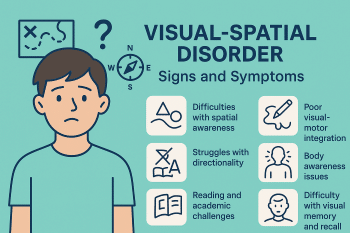
Visual-spatial disorder—also known as visual-spatial processing disorder—affects how the brain interprets where things are in space. This article explores the signs, causes, diagnosis, and treatment of this often misunderstood condition.
40 Reasons Why Reading Isn’t Just Important – It’s Essential

Reading may look like a quiet, passive act — a person, a book, and a cozy chair. However, beneath that stillness is a cognitive fireworks show. Reading lights up multiple brain systems, builds our inner world, and directly shapes our academic, social, and professional success. Here are 40 evidence-based reasons why reading isn’t just important — it’s essential.
Embracing Mathematics: 50 Reasons Why Math Matters
Why do we learn math? It turns out math isn’t just for the classroom – it’s part of everyday life. In fact, we use math more often than we might realize, from simple daily chores to cutting-edge innovations.
Differences Between American and British English
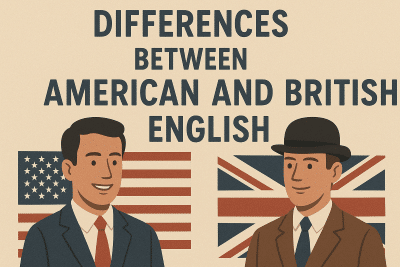
The most significant differences between British and American English are their pronunciation, vocabulary, and spelling.
Dyscalculia and Visual Memory: A Hidden Link in Learning Struggles
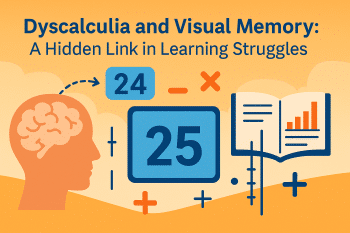
Numbers might be visible on the page, but for some children, they don’t stick—the shapes, meanings, and relationships between them fade as quickly as they appear. Welcome to the complex world of dyscalculia, a learning difficulty that affects a child’s ability to understand numbers and math—and where visual memory often plays a far bigger role than people realize.