Isabelle: The Story of a Child Kept in Extreme Isolation
Born in 1932 and hidden away for six years, Isabelle grew up without sunlight, speech, or social contact. When discovered, she could barely move or communicate. With care and intensive training, however, she made an astonishing recovery — walking, speaking, and thriving within two years. Her story remains one of the most remarkable examples of resilience and late language acquisition in psychology.
Famous Hoaxes That Fooled the World

From ape-skull forgeries to fairy photographs, from Martian invasions to Nigerian princes — history is littered with hoaxes that fooled millions. These tales reveal not just clever tricksters, but our own hunger for wonder, certainty, and stories too good to question.
Online Dyslexia Tutoring for Children
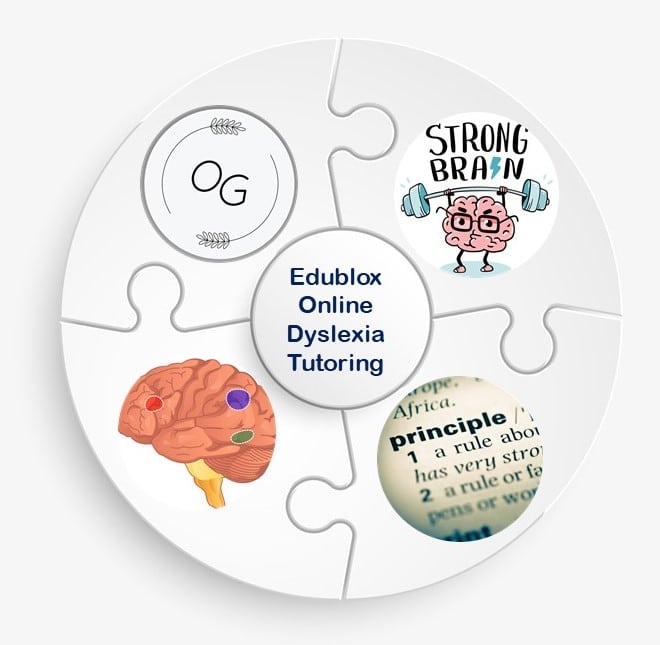
Our online dyslexia tutoring services integrate four components: (1) the Orton-Gillingham approach, (2) cognitive training, (3) the development of two crucial brain areas for reading, and (4) solid learning principles.
Directional Confusion May Be a Sign of Dyslexia
Directional confusion is a common symptom of dyslexia that affects reading, writing, and spatial awareness. Learn how problems with left–right orientation and position in space develop, and how they impact learning.
Math Learning Disabilities: Symptoms, Causes, Treatment
Math learning disabilities, also called dyscalculia, affect millions of children and adults worldwide. From struggling with basic arithmetic to difficulties with time, money, and everyday tasks, the impact can be lifelong if left unaddressed. This article explores what dyscalculia is, why numeracy matters, how common math learning disabilities are, their key symptoms and causes, and how targeted interventions — including Edublox’s step-by-step approach — can help students overcome barriers and succeed in math.
Counting Exercise: Teaching Children to Count
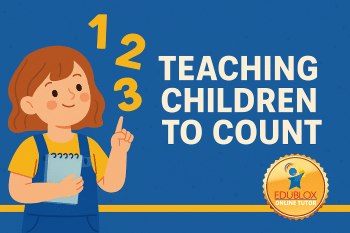
Counting may seem simple, but it forms the basis for many mathematical concepts and procedures. This step-by-step exercise is designed to help children count fluently and automatically, without hesitation or reliance on aids. Mastery of each step builds confidence and prepares the learner for more advanced math skills.
What Is Mixed Dyslexia? Pointers, Causes, Intervention
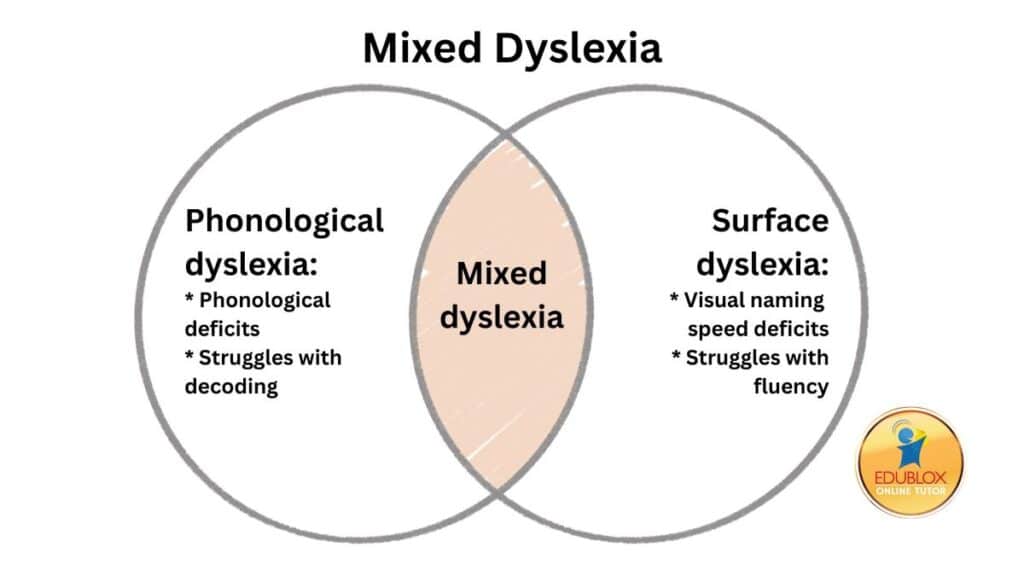
Mixed dyslexia, also known as double-deficit dyslexia, is a severe form of dyslexia caused by deficits in phonological processing and visual naming speed.
Foot-painters Have “Hands” in Their Brains: The Ultimate Testament of Neuroplasticity
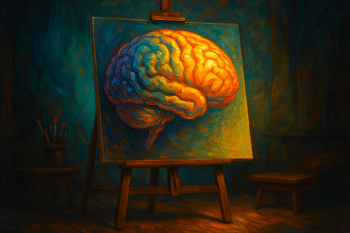
Foot-painters create art with toes, but the true marvel lies in their brains. Neuroimaging shows their “hand areas” activate, as if the brain simply reassigned the role of fingers to feet. It is neuroplasticity in action — proof that the body sets limits, but the brain redraws the map.
Memory Explained: 17 Types and How to Improve Them
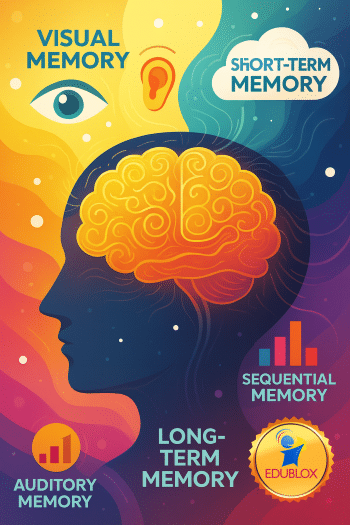
Memory isn’t one skill but many. From sensory and short-term to visual, auditory, sequential, and more, each type plays a role in learning. This guide explains 17 forms of memory and how they can be improved through training.
The Invisible Colleges: Secret Networks of Science Before the Enlightenment

Long before universities and journals, science survived underground. In the 17th century, invisible colleges — secret networks of thinkers — kept experiments and ideas alive under censorship. From Galileo’s allies to Boyle’s air pump, they laid the groundwork for modern science. Their story is proof that every discovery begins in whispers before it shines in light.
Video: Mixed Dyslexia – Signs, Causes, and Treatment
Mixed dyslexia, also known as double-deficit dyslexia, is a severe form marked by difficulties with both phonological processing and naming speed. Students often struggle with decoding and fluency, reading at the lowest percentiles. Edublox provides personalized cognitive training and online reading instruction to help children worldwide succeed.
Video: What Is Neuroplasticity and Why Does It Matter for Dyslexia?
Neuroplasticity—also known as brain plasticity—is the brain’s ability to reorganize and adapt by forming new neural connections. This lifelong process underlies learning, memory, and recovery, and offers real hope for overcoming dyslexia. Discover why neuroplasticity matters in helping children with dyslexia learn and thrive.