Glue Ear in Children: A Complete Guide for Parents
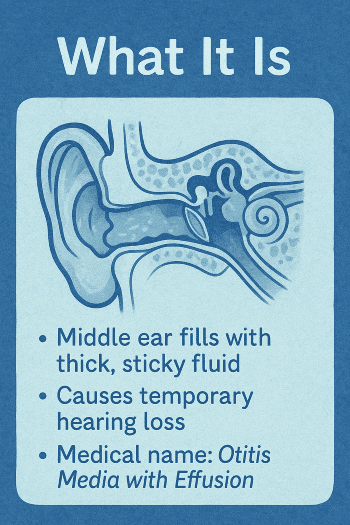
Glue ear is a common childhood condition where thick fluid fills the middle ear, leading to muffled hearing. While it often clears up on its own, persistent glue ear can affect speech, language, and learning. Discover the causes, symptoms, and treatment options so you can support your child’s hearing and development.
Stories of the Strange and Sometimes Bizarre
In Stories of the Strange and Sometimes Bizarre, Stanley Armani opens a cabinet of curiosities: tales of phantom limbs, dancing plagues, plants that count, and forgotten inventions. Blending science, history, and the uncanny, this collection reveals the hidden patterns of the world — a journey into wonders too peculiar to ignore and too human to forget.
Dyscalculia and Dyslexia: Overlap and Key Differences
Dyslexia and dyscalculia are two distinct learning disabilities, but they often overlap. While dyslexia affects reading and language, dyscalculia impacts math and number sense. Both can cause frustration and low confidence, yet with accurate identification and targeted intervention, children can make remarkable progress in school and beyond.
Severe Dyscalculia: Signs, Challenges, and a Story of Hope
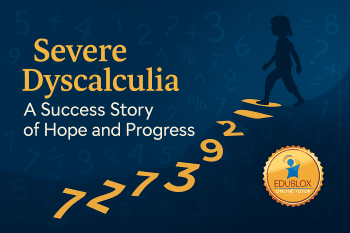
Severe dyscalculia is more than difficulty with math facts — it affects number sense, place value, and even counting. But severe doesn’t mean hopeless. With the right intervention, children can overcome barriers, reduce anxiety, and even enjoy math. Here’s what severe dyscalculia looks like, plus practical ways to help.
The Dancing Plague of 1518: When Hundreds Couldn’t Stop Moving
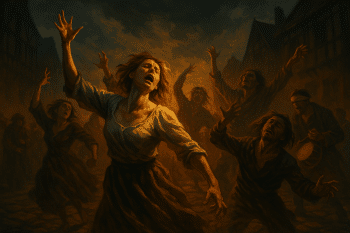
In the summer of 1518, Strasbourg erupted into motion. Hundreds of people danced in the streets, unable to stop, some collapsing or even dying. Historians still debate whether it was mass hysteria, ergot poisoning, or a religious curse. The dancing plague remains one of history’s strangest and most haunting mysteries.
The Birth of Forensics: How Detectives Used Fingerprints, Handwriting, and Insects to Solve Crimes
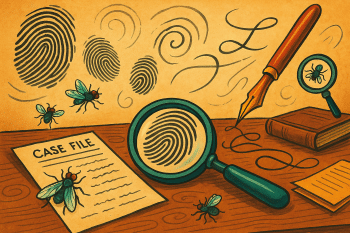
In the 19th century, justice shifted from rumor to science. Detectives began using fingerprints, handwriting, chemistry, and even insects to solve crimes. These early experiments, flawed but revolutionary, gave birth to modern forensics and proved that truth can be read in whorls of skin, in inked letters, and in the buzzing of flies.
The Top 10 Health Benefits of Oranges

Sweet, juicy, and packed with nutrients, oranges are more than just a snack. From vitamin C for immunity to antioxidants that protect your heart and skin, discover the top 10 health benefits of this powerhouse fruit.
Sequencing Difficulties: A Symptom of Dyslexia
Sequencing refers to our ability to perceive items in a specific order and remember that sequence. In saying the days of the week, months of the year, a telephone number, the alphabet, and counting, the order of the elements is paramount.
Memory and Dyslexia: More Than Just Reading Trouble
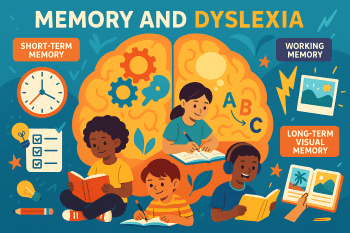
Dyslexia is usually known for causing trouble with reading and spelling. Most people connect it with problems in how the brain processes sounds (phonological processing). But there’s more to the story. Research shows that many types of memory also play an essential role in dyslexia.
The Secret Codes of Prisons: How Inmates Communicate
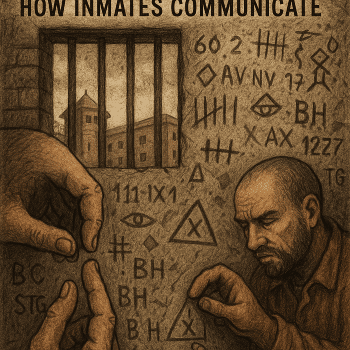
Behind bars, words are often forbidden — but silence never wins. Inmates have long created hidden codes: folded letters, tattoos, chalk marks, and slang that outsiders miss. These secret languages are more than survival tools; they are acts of resistance, solidarity, and identity in places designed to strip all three away.
Plants That Count: The Venus Flytrap’s Ability to “Do Math” Before Snapping Shut
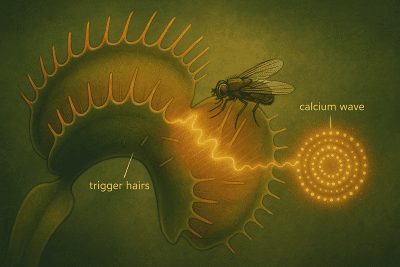
The Venus flytrap doesn’t snap for raindrops. It waits, counts, and decides. Two touches mean prey, more touches trigger digestion. This remarkable arithmetic, driven by calcium signals, shows that math isn’t just for brains — it’s a survival tool written into nature’s code.
Geometry: What It Is, Why It Matters, Helping Struggling Students Succeed
Geometry is more than shapes and formulas — it is the language of space and structure that helps us make sense of the world. It matters in daily life, from designing buildings to navigating with GPS, and it underpins careers in engineering, medicine, technology, and science. Yet many students struggle with abstract concepts and spatial reasoning. With the right strategies, teachers and parents can help learners not only understand geometry but also succeed at it.