Homophones: What They Are; With Over 600 Examples
What are homophones? They’re words that sound the same but have different meanings—and sometimes different spellings. Learn how to spot them with 600+ examples and explanations.
10 Health Benefits of Cinnamon: More Than Just a Spice

Cinnamon isn’t just a sweet kitchen staple—it’s a powerhouse of health benefits. Packed with antioxidants, it helps fight inflammation, supports heart and brain health, balances blood sugar, and even protects oral health. Discover ten surprising ways cinnamon can boost your well-being and why a daily sprinkle may do wonders.
Neuroplasticity in the Dark: How Blind Individuals “See” Through Sound and Touch
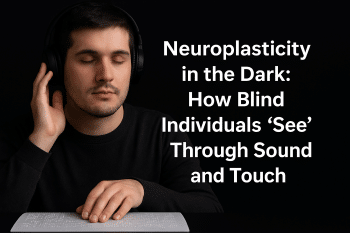
When sight is lost, the brain doesn’t go dark — it adapts. Through sound, touch, and astonishing neuroplasticity, blind individuals transform their visual cortex into a tool for “seeing.” From echolocation to Braille, this story reveals the brain’s hidden genius: resilience and reinvention in the face of darkness.
Education Underground: How Learning Thrived in Forbidden Schools Across History

History’s most remarkable classrooms were never official. From Irish hedge schools to secret lessons for enslaved people, underground schools kept knowledge alive when it was banned. Their stories remind us that education is not only permission but defiance — proof that wherever minds hunger for learning, they will find a way.
10 Teaching Strategies to Boost Retention and Long-Term Memory
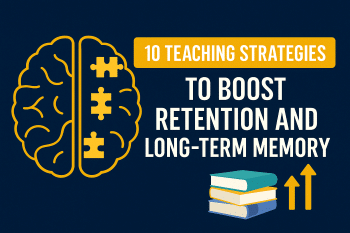
Helping students remember what they learn is every teacher’s challenge. These 10 proven strategies — from spaced review to metacognitive tools — show how to boost retention and strengthen long-term memory so learning sticks for life.
Reading Comprehension Program
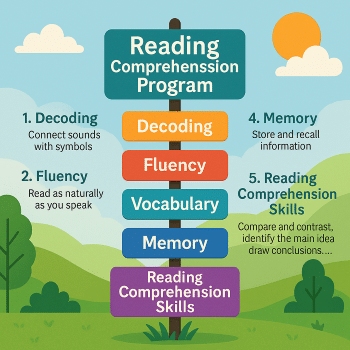
Reading comprehension is the heart of reading — without it, we are not truly reading. Edublox’s basic reading comprehension program helps to strengthen memory, expand vocabulary, and master essential comprehension skills through structured, practical exercises.
What Is a Slow Learner? How to Help
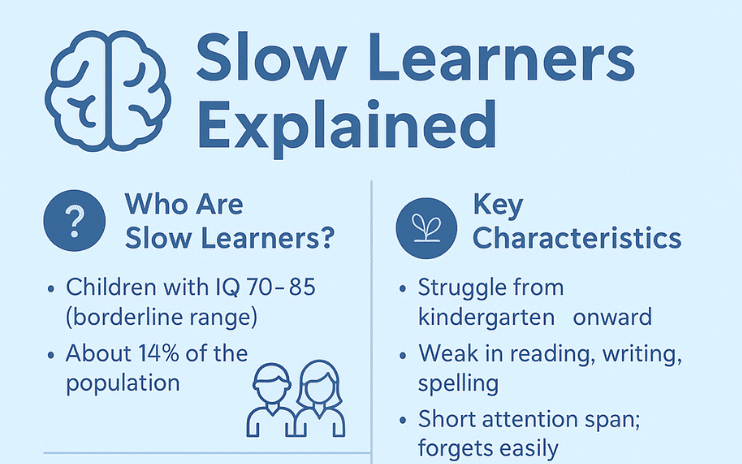
Slow learners are children who learn at a slower pace, usually with IQ scores between 70 and 85. They make up a surprisingly large group, yet are often overlooked in schools and research. This article explains who slow learners are, their key characteristics, and the challenges they face in education and daily life.
Mathematics in Beehives: Why Bees Understand Geometry Better Than Most Humans
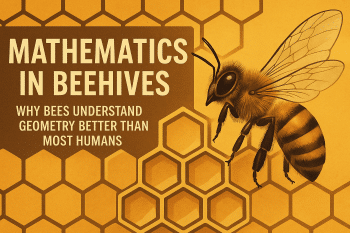
In every hive, bees construct flawless hexagons—geometry that mathematicians admire and engineers copy. Far from chance, honeycomb design saves energy, maximizes storage, and reveals how deeply mathematics runs through nature. The hive reminds us that math isn’t just human invention—it hums in golden wax and drips with honey.
Timekeeping Before Clocks: How Monks Used Breath and Heartbeat

Long before clock towers rang, monks measured time through the body itself. A string of heartbeats or a cycle of breaths marked prayers, work, and silence. This ancient rhythm reveals a world where time was felt rather than counted — a reminder that keeping time began in the chest before it ticked on a dial.
10 Health Benefits of Broccoli
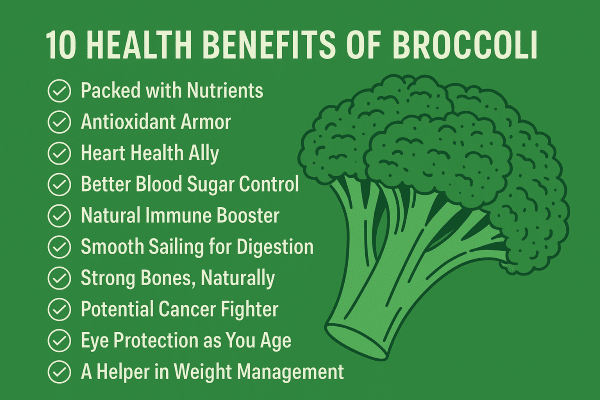
Broccoli isn’t just a side dish—it’s a nutritional powerhouse. Packed with vitamins, antioxidants, and fiber, it supports heart health, boosts immunity, protects bones, and may even reduce cancer risk. Here are ten research-backed reasons to make broccoli a regular on your plate.
10 High School Dropouts Who Are Now Millionaires

Some high school dropouts illustrate that education might be one of many roads to success. Here are ten high school dropouts who are now millionaires.
What Is Surface Dyslexia? Signs, Causes, Overcoming
Surface dyslexia is a specific form of dyslexia that refers to individuals who struggle with whole-word recognition and irregularly spelled words. In this article, we discuss what surface dyslexia looks like, how it differs from other dyslexia types, and its causes.