
Good nutrition fuels not only a child’s body but also their brain. What kids eat can significantly impact their focus, memory, and behavior. During childhood, the brain is rapidly growing and forming connections that influence learning, attention, and memory for life. To support this development, children need a balanced diet rich in specific nutrients such as protein, iron, zinc, choline, folate, iodine, vitamins A, B6, B12, D, and essential fatty acids like omega-3s. Below, we explore the top 10 brain-boosting foods for kids, explaining how each supports brain health and offering kid-friendly serving ideas. Incorporating these “brain foods” into your child’s meals and snacks can help power their cognitive development in a delicious way.
1. Salmon (fatty fish) – Omega-3 fatty acids for brain development
Why it’s good for the brain: Fatty fish like salmon are an all-star brain food because they are loaded with omega-3 fatty acids (DHA and EPA). DHA is a primary structural fat in the brain and is critical for brain growth and function. Children’s brains (especially the developing memory and focus centers) rely on omega-3s to build healthy brain cells and neural connections.
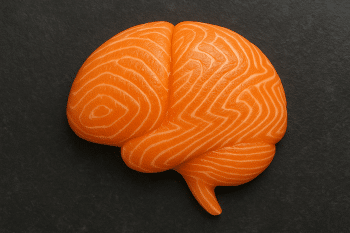
Getting enough of these fats has been linked to sharper mental skills. For example, emerging research indicates that omega-3 intake can improve children’s learning ability, memory, and even attention. Conversely, low omega-3 status has been associated with learning or behavioral issues – one study noted children with poor reading skills often had low omega-3 levels and that supplementation improved memory function.
Serving ideas: Aim to serve fatty fish about once or twice a week. Many kids enjoy mild-flavored fish like salmon. You can make salmon more appealing by preparing it in fun, kid-friendly ways. For instance, try blending cooked salmon with a bit of mayo or yogurt to make a salmon salad for sandwiches (an omega-3-rich alternative to tuna). Salmon “fish sticks” or fish tacos with yummy toppings are another hit. You can also grill or bake salmon filets with a teriyaki or lemon glaze. Even small servings – like a salmon patty or salmon added to pasta – will deliver brain-boosting fats.
Scientific support: Omega-3s are among the most studied nutrients for brain health. Studies in children have found that omega-3 supplementation can reduce ADHD-related hyperactivity and improve kids’ focus. These fats are truly “brain food.” Giving your child salmon or other oily fish ensures their brain gets nourishment for optimal development.
2. Eggs – Choline for memory and concentration
Why it’s good for the brain: Eggs are nutritional powerhouses for growing brains. The egg yolk, in particular, is one of the best sources of choline, a vitamin-like nutrient vital for memory development and recall. Choline is used to form acetylcholine, a neurotransmitter involved in memory and learning. Adequate choline in childhood has been linked to better cognitive performance.
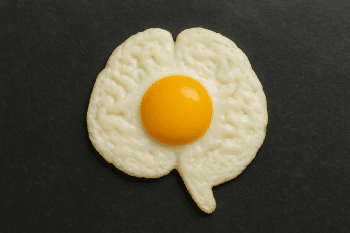
One egg yolk provides almost the entire daily choline requirement for young children. Eggs also supply high-quality protein to sustain energy and focus, as well as iron, folate, and vitamin A – all important for brain development and the growth of nervous tissue.
Serving ideas: Eggs are incredibly versatile and typically kid-approved. At breakfast, scrambled or boiled eggs are quick options to fuel the brain before school. If mornings are rushed, consider a make-ahead egg muffin or burrito that can be reheated. You can also sneak eggs into other meals: for example, add a sliced hard-boiled egg to a salad or make a veggie-packed omelet for lunch. Many kids enjoy “dippy eggs” (soft-boiled eggs) with whole-grain toast sticks. Even something like French toast or fried rice can be a fun way to work in eggs.
Scientific support: Decades of research highlight choline’s role in brain function. Studies suggest that choline intake in early life influences brain regions tied to memory. However, many children (and even pregnant women) do not get enough choline in their diets. By serving eggs, you can help close this nutritional gap.
3. Peanut butter and nuts – Vitamin E and healthy fats for brain health
Why it’s good for the brain: Nuts and peanuts (which are technically legumes) provide a winning combination of healthy fats, vitamins, and minerals that brains need. Kids love peanut butter, and that’s great because it’s packed with vitamin E, an antioxidant that protects nerve membranes from oxidative damage. Vitamin E helps shield brain cells and may support cognitive development. Peanut butter also contains thiamin (vitamin B1) that aids brain energy usage and a bit of glucose for immediate fuel.
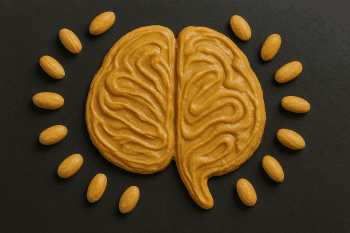
Beyond peanuts, other nuts like walnuts, almonds, and cashews are excellent brain foods. Walnuts, in particular, stand out – they are rich in alpha-linolenic acid (ALA), a plant-based omega-3 fat. Omega-3 ALA can help build flexible, well-nourished brain cell membranes. Researchers note that neurons “well-nourished” with ALA grow and form stronger synapses, enhancing cognitive function. Walnuts also provide twice as many antioxidants as other nuts, which can counteract oxidative stress in the brain.
Serving ideas: There are many easy (and tasty) ways to get nuts into a child’s diet. Peanut butter spread on whole-grain bread or apple slices makes for a quick brain-fueling snack. You can also use peanut butter as a dip for carrot sticks or celery (adding raisins on top of peanut-buttered celery creates the classic “ants on a log” snack). For variety, try almond butter or sunflower seed butter if there’s a peanut allergy concern – these offer similar healthy fats and vitamin E.
Whole nuts (like almonds, walnuts, and cashews) can be offered to older children as a snack or chopped and added to yogurt, oatmeal, or trail mix (for younger kids, supervise or serve finely chopped to prevent choking). Even a handful of mixed nuts as a daily snack can boost vitamin E levels.
Scientific support: Research suggests that making nuts a habit pays off. One study of adolescents found that those who regularly ate walnuts performed better on specific cognitive tests, likely due to walnuts’ omega-3 content supporting brain maturation. Another review noted that vitamin E from foods like nuts may help improve cognitive function and memory over time. So, encouraging your child to enjoy peanut butter and other nuts is a smart (and yummy) strategy to nourish their brain.
4. Whole grains – Steady energy and B vitamins for concentration
Why it’s good for the brain: The brain’s primary fuel is glucose, and whole grains provide a slow, steady supply of this fuel as well as essential B vitamins. Unlike refined grains that cause blood sugar spikes and crashes, whole grains (such as whole wheat, oats, brown rice, quinoa, etc.) are digested slowly, giving the brain a consistent energy source to stay alert. This helps kids concentrate and focus during the school day.
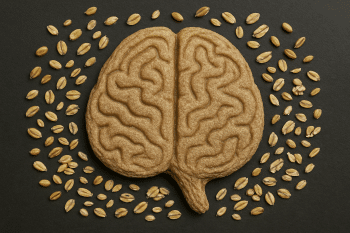
Whole grain products are also typically rich in B-complex vitamins (like thiamin, riboflavin, niacin, and folate), crucial for a healthy nervous system and converting food into usable energy in the brain. A well-fueled brain can process and retain information better.
Serving ideas: Swapping refined grains for whole grains in your child’s diet is easy. Choose oatmeal or whole-grain cereal instead of sugary cereal at breakfast, or offer whole-wheat toast alongside eggs. A bowl of whole-grain oats (porridge) topped with fruit provides fiber and brain-fueling carbs to start the day. For lunch, use 100% whole-wheat bread or tortillas for sandwiches and wraps. Snacks can include whole-grain crackers or popcorn (a whole grain) instead of chips. At dinner, serve brown rice or whole-wheat pasta instead of white, or try other grains like quinoa or barley in soups and salads. These simple switches ensure your child’s brain has ample, stable energy for both school and play.
Scientific support: The link between whole grains and cognitive function is well documented. A healthy breakfast with whole grains has been associated with improved memory recall and concentration in children. One study found that children who ate oatmeal for breakfast performed better on memory-related tasks than those who ate a sugary cereal, likely due to oatmeal’s high fiber content, which keeps blood sugar levels stable. The takeaway is that whole grains keep kids’ brains up and ready to learn.
5. Oatmeal – Fiber and protein to boost focus
(Yes, oatmeal is a whole grain, but it deserves its own mention as a breakfast superstar!)
Why it’s good for the brain: Oats – found in oatmeal and granola – are an excellent source of fiber and complex carbohydrates, which feed the brain in a sustained way. Oatmeal has been called “brain fuel” because it provides energy that lasts through the morning, preventing mid-morning hunger that can distract kids in class. Additionally, oats offer a variety of brain-supportive nutrients: vitamin E, B vitamins, potassium, and zinc. This mix of nutrients helps the brain cells to function at their best. The fiber in oats also helps stabilize blood sugar.
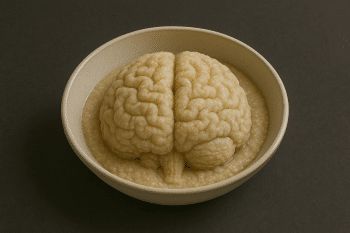
Serving ideas: Oatmeal for breakfast is a fantastic way to start the day. To make it kid-friendly, add fun toppings: try swirling in some peanut butter (for healthy fat) and topping with banana slices, or mix in berries for sweetness and extra antioxidants. You can also prepare oats in the evening (soaking oats in milk/yogurt overnight with some fruit) for a ready-to-eat morning meal. If your child isn’t a fan of porridge texture, offer homemade oatmeal muffins or oatmeal pancakes – they’ll still get the benefits of oats.
Granola made with oats and nuts can be served with yogurt for crunch. Even oatmeal cookies (made low sugar) could be a treat that sneaks in some extra fiber. The key is to use whole rolled oats or steel-cut oats to retain all the goodness; avoid those overly sweet instant oat packets. With a little creativity, oatmeal can become a breakfast your child looks forward to, all while secretly boosting their brainpower.
Scientific support: Research indicates that children who eat oatmeal at breakfast have better spatial memory and auditory attention than those with less fiber-rich options. The combination of protein (oats have more than most cereals) and fiber in oatmeal likely helps keep kids’ tummies full and brains nourished; oatmeal helps set them up for a day of learning.
6. Berries – Antioxidants for memory and mood
Why it’s good for the brain: Berries – like blueberries, strawberries, raspberries, blackberries, and even blackcurrants – are among the most antioxidant-rich fruits. They get their vibrant colors from flavonoid compounds that have been shown to benefit the brain. Berries are exceptionally high in vitamin C and other antioxidants, which help prevent oxidative stress in the brain and may improve cognitive functions. Studies have demonstrated that extracts of blueberries and strawberries can enhance memory in research settings.
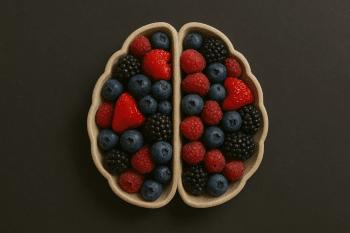
In children, a diet rich in vitamin C and antioxidants is linked to better mental agility and may even help with mood regulation. For instance, maintaining optimal vitamin C levels is thought to increase mental vitality (a feeling of alertness and energy). There is also evidence that vitamin C can be useful for managing anxiety and stress, which is necessary for school-aged kids facing challenges and new experiences. Additionally, the seeds in berries (like those in strawberries or blackberries) provide a small amount of omega-3 fats, giving an extra brain boost.
Serving ideas: Berries are typically an easy sell – they’re sweet, colorful, and fun to eat. Keep washed berries ready for a quick handful as a snack or dessert. You can toss berries into your child’s breakfast cereal or oatmeal, blend them into a smoothie, or mix them with yogurt (a parfait with layers of yogurt, berries, and granola is often a hit). Frozen berries are as nutritious as fresh and great for smoothies or a cool summer treat (slightly thawed frozen blueberries taste like mini sorbets). You can even incorporate berries into baked goods like blueberry muffins with whole-grain flour and reduced sugar. Another idea is to make “fruit popsicles” by freezing pureed berries with yogurt.
However you serve them, the more intensely colored the berry, the more nutrition it tends to have. So, encourage your child to eat a rainbow of berries, from red strawberries to blue blueberries.
Scientific support: Animal and human research has highlighted berries’ brain benefits. A study in children found that a blueberry drink led to immediate improvements in memory tasks, likely due to increased blood flow to the brain from the flavonoids. While more research is ongoing, experts agree that fruits like berries contribute to long-term brain health. Swapping out candies or sweets for naturally sweet berries helps cut down on added sugars, which is a win for overall health and stable energy.
7. Beans – Protein and iron for sustained brain energy
Why it’s good for the brain: Beans, peas, and lentils are nutritional dynamos that can boost brain function in several ways. They provide plant-based protein, complex carbohydrates, fiber, and essential minerals like iron, zinc, and magnesium. This combination makes beans a source of long-lasting energy for the brain. The fiber and complex carbs in beans stabilize blood sugar, preventing the energy crashes that can impair concentration. Meanwhile, beans’ high protein and iron support the steady growth of the body and brain.
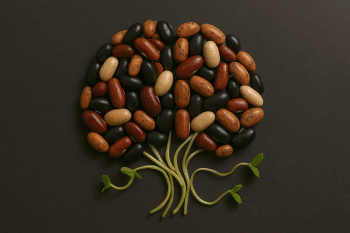
Iron is particularly critical for learning and attention. Children with low iron levels may feel fatigued and struggle to focus. Beans are also a vegetarian-friendly source of omega-3 fatty acids. For example, kidney beans and pinto beans contain omega-3 ALA, which (like in walnuts) supports brain growth and function. Finally, beans supply B vitamins and a little folate, contributing to the creation of neurotransmitters and overall brain cell health.
Serving ideas: If your child isn’t a fan of beans yet, try offering them in creative ways. Many kids enjoy bean dips: you can blend black or white beans with a touch of olive oil, lemon, and garlic to create a smooth dip (similar to hummus) and serve with pita or veggie sticks. Adding beans to familiar dishes works well, too; for instance, mix beans into tacos, burritos, chili, or spaghetti sauce. Roasted chickpeas can turn into a crunchy, nutty snack. If your child likes mashed potatoes, try mashing cannellini beans (which are mild and soft) into mashed potatoes or mac and cheese for a stealthy nutrient boost. Soups and stews are also an excellent way to introduce beans; a hearty minestrone or lentil soup can be very kid-friendly.
Scientific support: There’s evidence that children who consume beans have steadier energy and improved cognitive function throughout the day. In one study, students who had beans for lunch (providing low-glycemic carbs) maintained better afternoon concentration than those who had a more refined carb meal. Also, populations that eat legume-rich diets often show better academic performance, likely due to improved overall nutrition. Given their low cost and high nutrient density, beans are truly a “superfood” for the brain and the body.
8. Colorful vegetables – Antioxidants to keep brain cells healthy
Why it’s good for the brain: Brightly colored veggies – think carrots, sweet potatoes, pumpkin, tomatoes, spinach, broccoli, kale, bell peppers – are loaded with antioxidants and phytochemicals that nourish and protect the brain. For example, beta-carotene (found in orange veggies like carrots and pumpkins) and vitamin C (high in peppers and tomatoes) act as antioxidants that help keep brain cells strong and healthy. Leafy greens like spinach and kale are rich in folate and vitamin K, which have been linked to better brain function. Vitamin K, in particular, has been shown to help improve memory. These vegetables also provide fiber and a range of minerals. Notably, spinach and other greens supply iron and other B vitamins that support learning and memory.
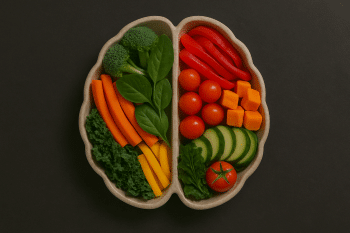
Overall, diets high in vegetables are associated with slower cognitive aging and better mental performance, likely because they reduce oxidative stress and inflammation in the brain.
Serving ideas: Getting kids to eat their veggies can be challenging, but you can increase their intake with a few tricks. One strategy is to “hide” veggies in foods they already like: for instance, blend steamed cauliflower or carrots into mac and cheese sauce or puree veggies into spaghetti sauce (so-called secret “pizza sauce” loaded with red peppers, carrots, or spinach). You can also bake shredded carrots or zucchini into muffins and pancakes. Another approach is making veggies fun and accessible: serve raw, colorful veggie sticks (like sweet pepper strips, cucumber, baby carrots, sugar snap peas) with a tasty dip like ranch or hummus. Oven-baked sweet potato fries seasoned with a little cinnamon can satisfy a french fry craving with more nutrients. For broccoli, melted cheese sauce or a sprinkle of parmesan can work wonders.
Encourage your child to eat a “rainbow” of produce – perhaps make a chart or game of trying different colored veggies each day. Even if they eat just a few bites, those deep-color veggies deliver potent antioxidants to their brain cells. Persistence is key; taste buds evolve, and kids often accept veggies over time with repeated pressure-free exposure.
Scientific support: Research confirms that greater consumption of vegetables, especially leafy greens, correlates with higher cognitive test scores in children. One review noted that diets rich in green and orange vegetables were associated with better academic achievement, independent of other factors. The antioxidants in veggies are thought to reduce cell damage in the brain. One study found that spinach and kale intake was linked to slower cognitive decline in older adults. Starting those veggies young can give a lifelong advantage. So, every carrot stick and broccoli floret your child eats is an investment in their brain health.
9. Milk and yogurt – Protein and vitamins for brain tissue growth
Why it’s good for the brain: Dairy products such as milk, yogurt, and cheese provide fundamental nutrients for developing brains. They are excellent sources of protein and B vitamins like B12 and riboflavin, which are needed for brain tissue growth and neurotransmitters. For instance, vitamin B12 is critical for myelination, which refers to the formation of the protective sheath around nerves that speeds up brain signaling. Dairy foods also contain iodine, another nutrient important for cognitive function.
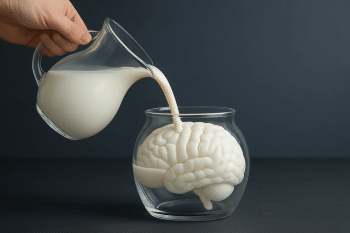
Another significant benefit is calcium and vitamin D. Children and teens need more vitamin D than adults for optimal health, and milk and yogurt, especially when fortified with vitamin D, can help meet that need. Additionally, the carbohydrates in milk (lactose) provide energy to the brain, and fermented dairy like yogurt contributes probiotics, which some studies suggest might influence brain function via the gut-brain axis.
Serving ideas: Most kids enjoy dairy in one form or another. Milk can be offered as a drink with meals or used in smoothies (blend milk, yogurt, and fruit for a creamy “brain shake”). Yogurt is incredibly versatile. Serve it plain or with fruit and a drizzle of honey, or use it as a base for smoothies and frozen yogurt pops. Greek yogurt, in particular, packs extra protein. For children who prefer savory foods, offer cheese slices or sticks as a snack. Cheese provides concentrated protein and calcium but opt for lower-sodium versions for younger kids. A cup of warm milk before bed can also be a soothing routine, and the protein casein in milk may help sustain blood sugar overnight for better morning alertness. Overall, including 2–3 servings of milk or yogurt daily will supply a steady stream of brain-building protein and vitamins.
Choose mostly low-fat or unflavored dairy for kids to avoid excess saturated fat and sugar. If your child is dairy-intolerant or vegan, fortified plant milk (like soy) can provide some of these nutrients; ensure they get B12 and iodine from other sources.
Scientific support: Dairy’s impact on cognition has been observed in several studies. In one study, children who regularly consumed dairy had higher memory and verbal test scores than those who consumed little to none after controlling for other factors. Another research review highlighted that kids who drink milk at breakfast tend to have better morning school performance, likely due to a combination of protein and steady carbs improving their blood sugar and concentration. Dairy is also tied to better nutrient status; for instance, milk drinkers often have higher intakes of B12 and iodine, which support cognitive development.
10. Lean meat – Iron and zinc for focus and memory
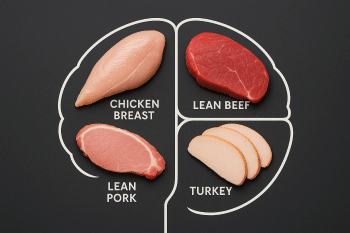
Why it’s good for the brain: Lean red meats (like beef) and poultry (like chicken or turkey) are rich in iron and zinc, two minerals that play a key role in brain development and academic performance. Iron is essential for delivering oxygen to the brain and for energy metabolism; even mild iron deficiency in children can cause fatigue, shorten attention span, and impair learning. In fact, low iron levels have been linked to increased hyperactivity and attention problems in children. Lean meats are an excellent source of highly absorbable heme iron. Zinc, also plentiful in meat, is involved in memory formation and overall brain signaling; adequate zinc supports better memory and attention control. Meat is also one of the best sources of vitamin B12, which (as mentioned with dairy) is crucial for neural health. Together, these nutrients in lean meats help kids stay energized and focused in the classroom.
For children in vegetarian families, it’s absolutely possible to get these benefits from plant foods – it just takes a bit more planning. Beans, lentils, tofu, fortified cereals, and leafy greens can provide iron and zinc, though in a form that’s less readily absorbed. Pairing plant iron sources with vitamin C-rich foods (for example, lentils with tomatoes, or spinach with orange slices) dramatically boosts absorption, helping to meet brain needs without meat.
Serving ideas: When choosing meat for your family, opt for lean cuts (round, loin, or extra-lean ground meat) and poultry without skin to reduce excess saturated fat. You can include lean beef or chicken in kid-friendly dishes like spaghetti Bolognese (meat sauce) – a classic and usually well-accepted option. Meatballs, burgers, or meatloaf made with ground turkey or lean beef can be packed with shredded veggies for extra nutrients. Taco night is a perfect chance to use seasoned lean ground meat (or black beans for a vegetarian twist) with lots of veggies. For variety, try lean pork (like pork tenderloin) or fatty fish (as discussed with salmon) in place of beef some days.
If your child is not a big meat eater, focus on other iron-rich combos: for example, spinach or broccoli (iron-rich veggies) alongside some citrus or bell pepper (vitamin C) to enhance iron uptake. Also consider iron-fortified cereals or breads as part of their diet. And remember, egg yolks and beans also contribute some iron. Ensuring a source of iron and zinc in most meals – whether from lean meat or plant alternatives – will help keep your child’s brain well-oxygenated and sharp.
Scientific support: Iron deficiency remains one of the most common nutrient deficiencies in children worldwide, and it is clearly linked to cognitive and behavioral deficits. Studies show that children with iron deficiency anemia score lower on tests of attention and memory, and may be more restless. The good news is that these issues often improve with iron supplementation or increased dietary iron. Zinc, similarly, has been shown to be important for memory and reasoning; one controlled trial found that kids given a zinc supplement performed better on memory tasks than those who didn’t get extra zinc. Lean meat is a convenient way to deliver both of these nutrients. However, if you raise your child vegetarian, with careful diet planning (and possibly supplements under a doctor’s guidance), kids can still get what they need – for instance, through combinations of beans, whole grains, nuts, and veggies for iron and zinc, along with B12-fortified foods. The key is awareness: make iron and zinc a priority in whatever form works for your family’s diet.
Edublox provides support for students with dyslexia, dyscalculia, and other learning difficulties. We help students worldwide overcome academic challenges and reach their full potential. Book a free consultation to discuss your child’s learning needs and discover how we can help.
Top 10 Brain Foods for Children was authored by Sue du Plessis (B.A. Hons Psychology; B.D.), an educational specialist with 30+ years of experience in the learning disabilities field.