
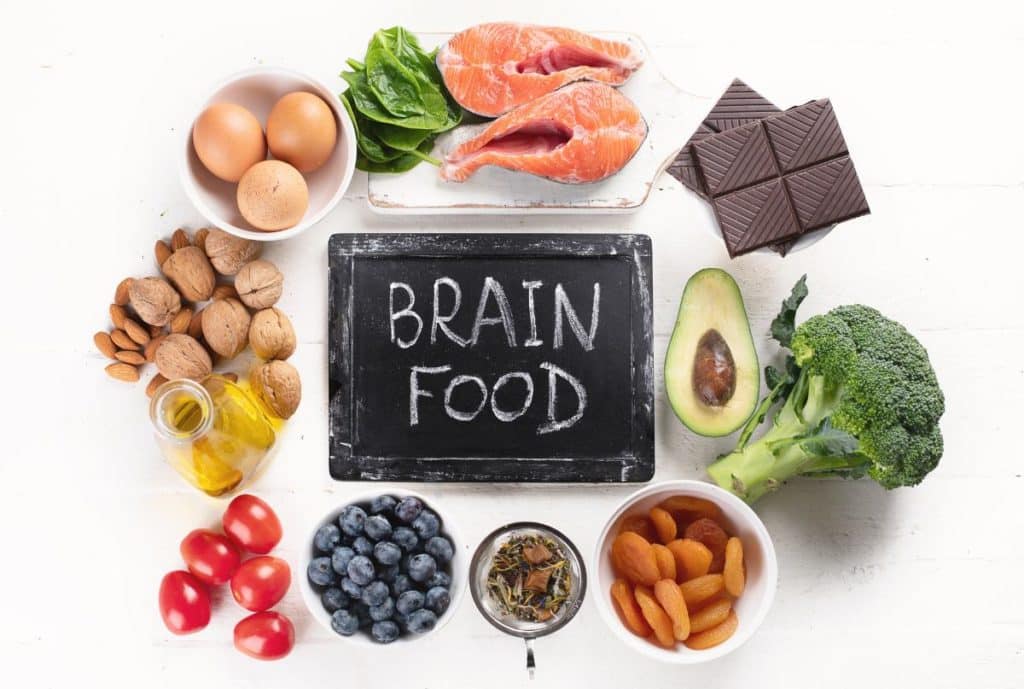
Research on so-called “brain foods” shows that some chemicals in foods we eat go right to our brain cells. So the old maxim “You are what you eat” turns out to be true.
But can food really give us smarter kids, make us more intelligent, improve memory, help us think more clearly, and maybe even forestall those so-called “senior moments” — or worse, dementia?
The answer is a resounding “yes.” Although no “miracle” food is going to make your kid a genius, boost your brainpower instantly, or cure Alzheimer’s, regularly adding certain foods to your diet will help you function at your personal best, both physically and mentally, throughout your lifetime.
An international team of researchers found that seniors who consumed the most nutritious food had a nearly 25 percent lower risk of mental decline than those with the least healthy diets. This study was published in the online issue of Neurology. The researchers followed 27,860 people aged 55 or older from 40 different countries for an average of about five years. Everyone in the study had either diabetes or a history of heart disease, stroke, or peripheral artery disease.
Over the course of the study, 4,699 people suffered a decline in thinking and memory. Those following the most nutritious diets were 24 percent less likely to experience cognitive decline than those following the least healthy diets. The results didn’t change when researchers accounted for factors that might impact cognitive health, including physical activity, high blood pressure, and a history of cancer.
With brain function naturally declining with age and the incidence of Alzheimer’s disease increasing, any steps that can be taken to protect the brain from the ravages of aging are important. One of the best ways to protect brain function is to provide this organ with the nutrients it needs to defend itself against free radical damage. Need some guidance? From fatty fish to tomatoes, these 10 brain foods are proven to boost memory, help us think clearly, and support overall good health.
1. Fatty fish
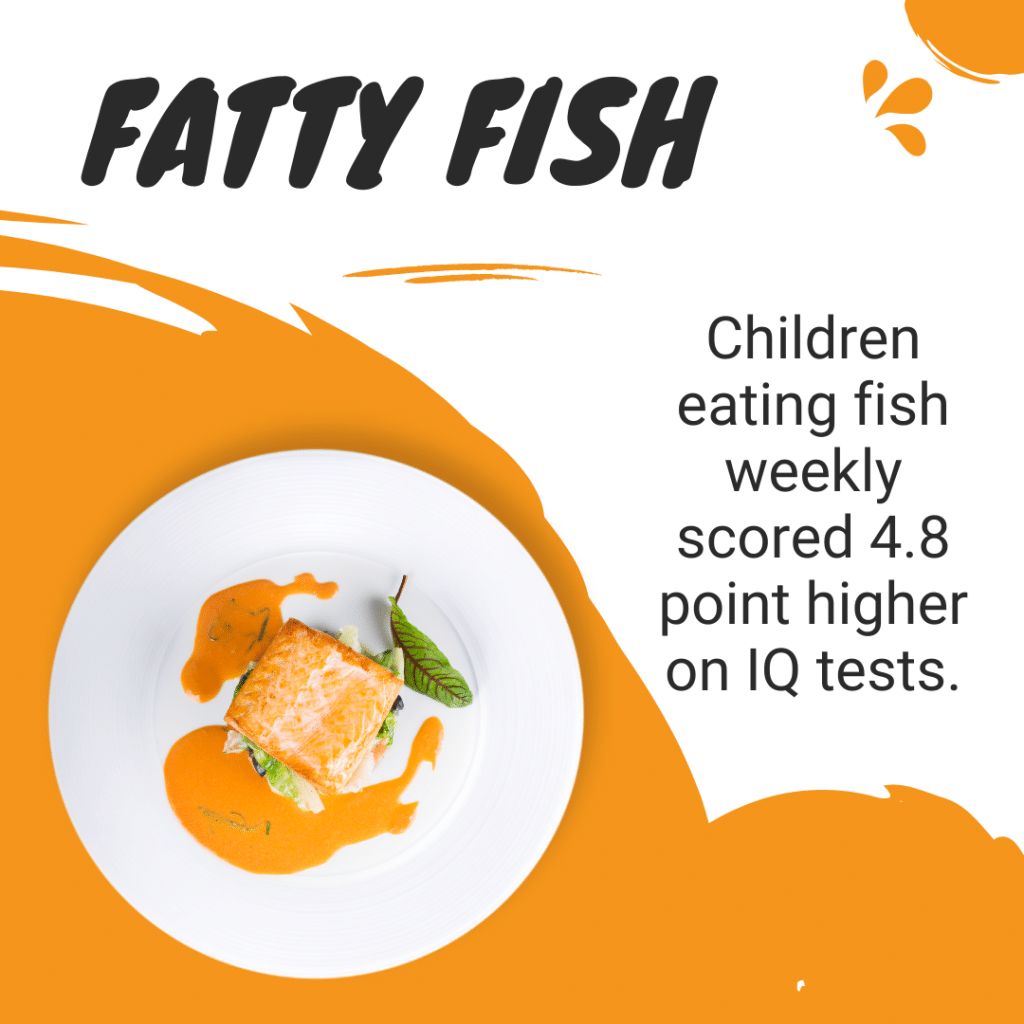
When people talk about brain foods, fatty fish is often at the top of the list. This type of fish includes salmon, trout, and sardines. Fatty fish is the richest source of omega-3 fatty acids, which have been touted as a brain tonic for young and old alike. In one study, older adults who ate fish at least once a week slowed cognitive decline by about 10 percent compared to those who didn’t chow down on fish, and the fish-eaters also performed better on tests of memory and mental sharpness.
According to findings from the University of Pennsylvania, published in Scientific Reports, children who eat fish at least once a week sleep better and have IQ scores that are, on average, 4 points higher than those who consume fish less frequently or not at all. Omega-3 consumption is linked to better sleep, which may explain the higher IQ in kids who eat fish at least once a week.
A cohort of 541 9- to 11-year-olds in China, 54 percent boys and 46 percent girls, completed a questionnaire about how often they consumed fish in the past month, with options ranging from “never” to “at least once per week.” They also took the Chinese version of the Wechsler Intelligence Scale for Children-Revised, an IQ test that assesses verbal and nonverbal skills such as vocabulary and coding. Their parents then answered questions about sleep quality using the standardized Children’s Sleep Habits Questionnaire.
The research team found that children who reported eating fish weekly scored 4.8 points higher on IQ tests than those who said they “seldom” or “never” ate fish. Those whose meals sometimes included fish scored 3.3 points higher. In addition, increased fish consumption was associated with fewer sleep disturbances, suggesting better overall sleep quality.
2. Blueberries
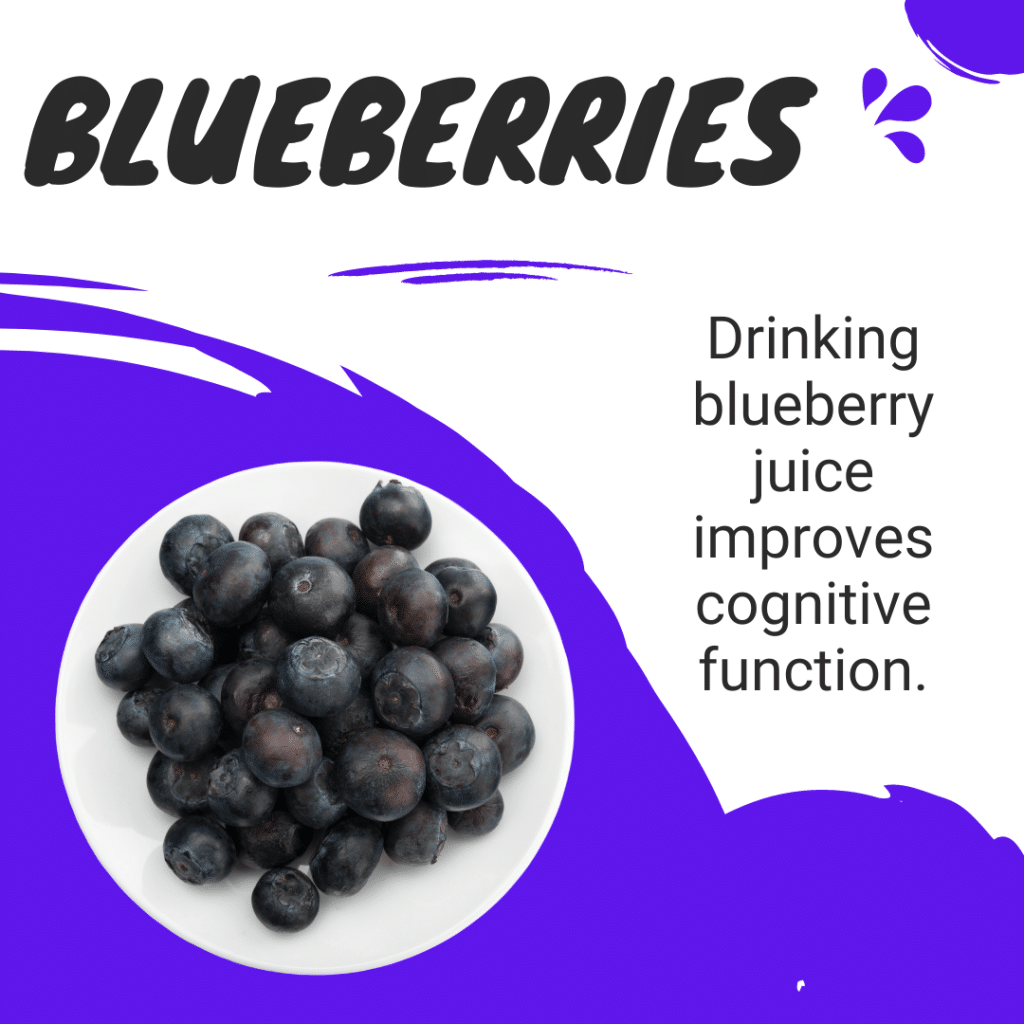
Blueberries have been shown to have the highest concentration of antioxidants of any fruit studied. One-half cup of blueberries has as much antioxidant power as five servings of carrots, peas, apples, broccoli, or squash. Blueberries offer protection from oxidative stress in the heart, as well as the brain.
One clinical trial that attracted media attention used a concentrated blueberry juice high in anthocyanidins. The trial involved 26 healthy adults aged between 65 and 77. Half of the participants drank concentrated blueberry juice daily for 12 weeks. The blueberry concentrate was equal to eating 230 grams of whole blueberries daily. The other half of the volunteers drank a placebo drink with a blackcurrant taste but no anthocyanidins.
After 12 weeks, people who drank blueberry juice showed improvements in cognitive function, blood flow to the brain, and activation of brain areas linked to cognitive function. There was also evidence of improved working memory.
3. Broccoli
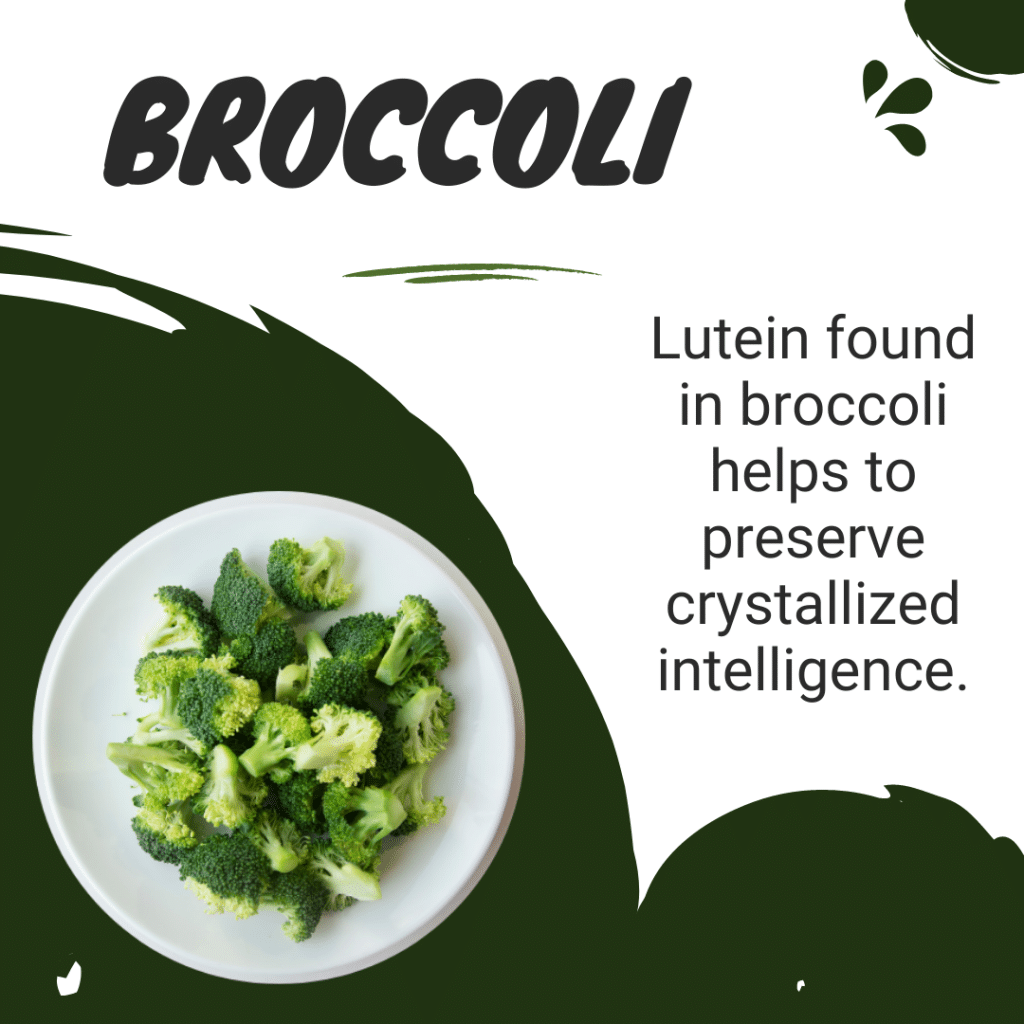
Broccoli is high in vitamin K and is known to enhance brain power and improve cognitive function. Researchers at the University of Dundee in Scotland found that sulforaphane, a chemical found in broccoli, can help keep the brain sharp and help fight the deterioration of brain cells that causes Alzheimer’s disease.
According to another study, lutein, a pigment found in green vegetables like broccoli, helps preserve crystallized intelligence by protecting brain neurons. Intelligence can be categorized into two types: fluid and crystallized. Fluid intelligence is your ability to solve new problems without help from prior knowledge. Crystallized intelligence, on the other hand, is your problem-solving ability stemming from years of experience.
4. Carrots
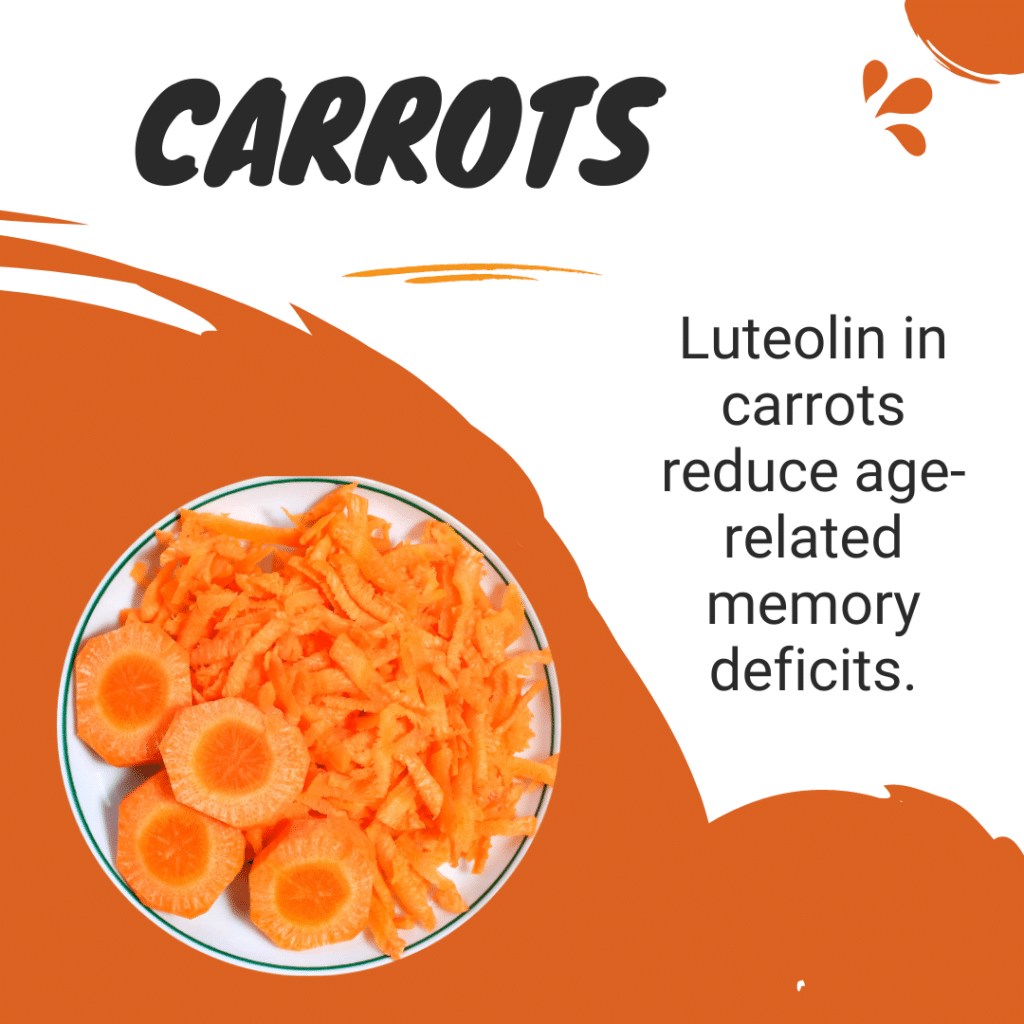
A Harvard University study showed that American men who took 50mg of the antioxidant beta-carotene every other day for 15 years delayed cognitive aging. They performed significantly better than the placebo group on cognitive and verbal memory measures. Not a pill popper? Five servings of carrots a week reduce the risk of stroke by 68 percent.
Besides beta-carotene, carrots contain high levels of a compound called luteolin, which could reduce age-related memory deficits and brain inflammation, according to a 2010 study published in the journal Nutrition. In the study, mice whose diet was supplemented with 20 milligrams of luteolin showed reduced brain inflammation. The researchers said the compound also restored the mice’s memory to levels comparable to those of younger mice.
5. Green tea
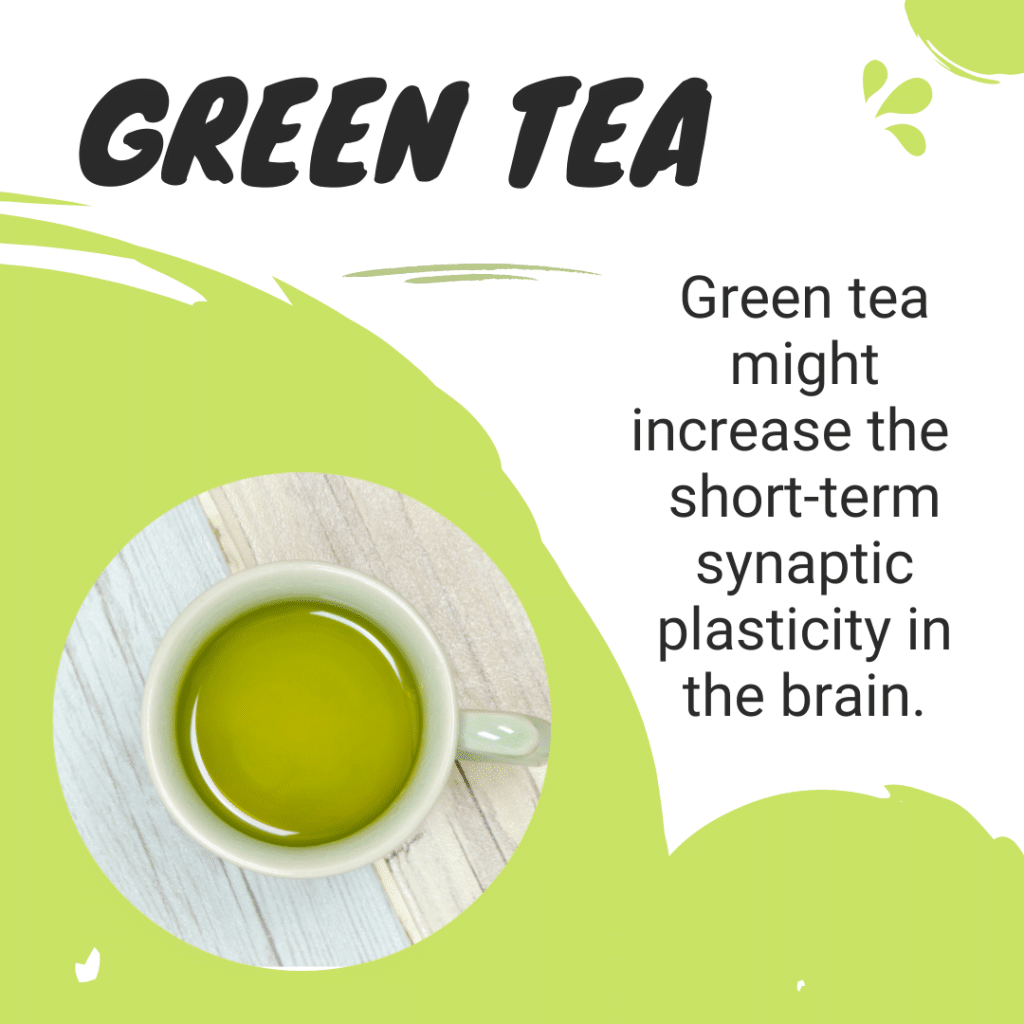
Researchers in Japan found that drinking a cup a day cuts your risk of age-related cognitive decline by 37 percent compared to those who consume less. Let it steep for at least three minutes for more brain benefits. The beneficial compounds, polyphenols, are also found in olive oil, chocolate, beer, and wine.
Another study, led by researchers from the National University of Singapore (NUS) and carried out from 2015 to 2018, revealed that regular tea drinkers have better-organized brain regions — and this is associated with healthy cognitive function — compared to non-tea drinkers.
The research team recruited 36 adults aged 60 and older and collected data on their health, lifestyle, and psychological well-being. The elderly participants also underwent neuropsychological testing and magnetic resonance imaging (MRI). Upon analyzing participants’ cognitive performance and imaging results, the research team found that individuals who consumed green, oolong, or black tea at least 4 times a week for about 25 years had more efficiently interconnected brain regions.
In a study by Schmidt et al., healthy male volunteers received a soft drink containing several grams of green tea extract before they solved working memory tasks. Scientists then analyzed how this affected the men’s brain activity using magnetic resonance imaging (MRI). The MRI showed increased connectivity between the brain’s parietal and frontal cortex. Furthermore, these neuronal findings correlated positively with participants’ improved task performance. These findings suggest that green tea may enhance short-term synaptic plasticity in the brain.
6. Nuts
A study published in the American Journal of Epidemiology suggests that a healthy intake of vitamin E may help prevent poor memory. Nuts, particularly almonds and hazelnuts, are excellent sources of natural vitamin E.
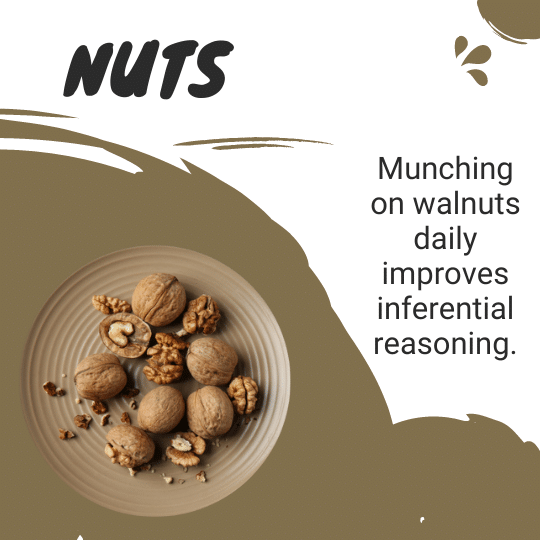
Researchers at Andrews University discovered walnuts’ brain-boosting power. They divided 64 students into two groups. One group munched on banana bread made with walnuts every day for two months. The second group ate banana bread without walnuts for the same period.
They gave the students various cognitive tests at the end of the eight weeks. They discovered that students who had eaten walnuts daily for 2 months performed better on tests of inferential reasoning. Inferential reasoning is the ability to judge the accuracy of statements in articles, papers, or other sources.
Walnuts may boost thinking power by affecting blood vessel function. One study showed that walnuts increased the ability of blood vessels to relax in people with type 2 diabetes; this improves the flow of oxygen and nutrients to the brain and helps lower blood pressure. You can see how this might improve thinking. Walnuts are as good for the blood vessels in your brain as they are for your heart.
7. Pumpkin seeds
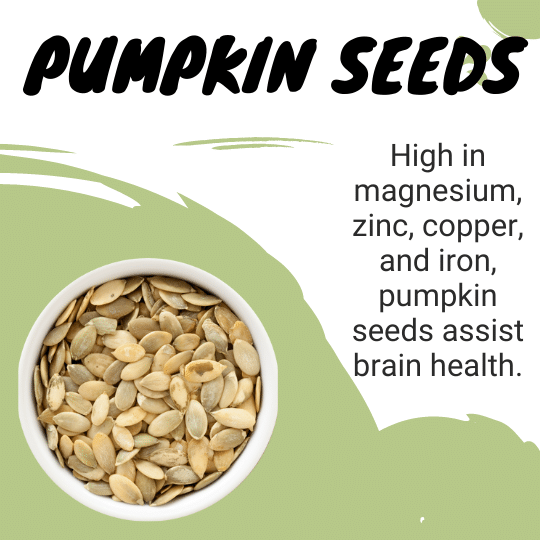
Pumpkin seeds are an excellent source of magnesium, zinc, copper, and iron, all of which are key minerals for brain health. Magnesium is essential for a well-functioning nervous system. It supports brain development, memory, and learning. Low magnesium levels may increase health issues related to neurological conditions, such as Alzheimer’s, Parkinson’s, stroke, migraine, epilepsy, anxiety, and depression.
Zinc is critical for regulating communication between brain cells, which impacts brain development, memory, and learning. Zinc deficiency has been linked to many neurological conditions, such as Alzheimer’s, epilepsy, schizophrenia, and depression. Your brain uses copper to help control nerve signals. And when copper levels are out of whack, there’s a higher risk of neurodegenerative disorders such as Alzheimer’s. Iron deficiency is often characterized by brain fog and impaired brain function.
8. Raisins
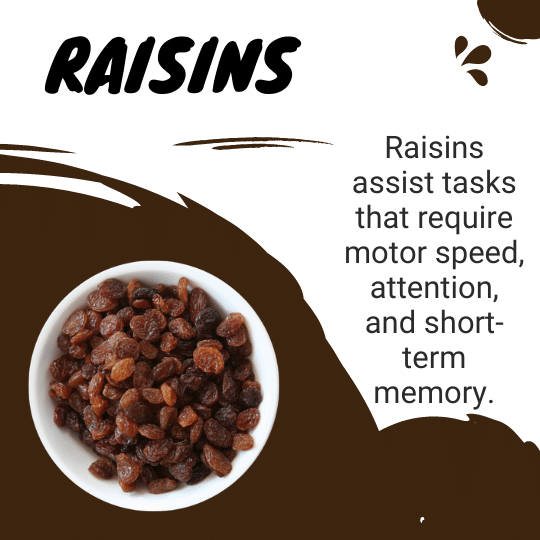
Raisins are good for your brain because they are an excellent source of boron, a trace element that improves hand-eye coordination, attention, and memory. Other good sources of boron include hazelnuts, almonds, and dried apricots.
Tests of brain electrical activity in animals and humans have shown that boron deprivation reduces brain electrical activity. A series of experiments found that relatively short periods of restricted boron intake (42 to 73 days) adversely affected the brain function and cognitive performance of otherwise healthy older people, especially on tasks requiring motor speed, dexterity, attention, and short-term memory.
Raisins also heal wounds faster and prevent deficiency in Vitamin D. Sprinkle some of these sweet dried fruits in your cereal, yogurt, or oatmeal.
9. Rosemary
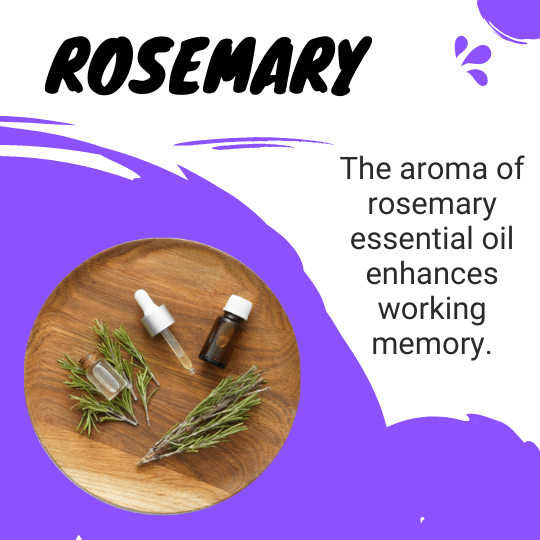
Hailed since ancient times for its medicinal properties, we still have much to learn about rosemary’s effects. The aroma of rosemary essential oil may improve memory.
In a study, rosemary essential oil was diffused in a testing room by placing 4 drops on an aroma stream fan diffuser and turning it on 5 minutes before participants entered the room. Sixty-six people participated in the study and were randomly assigned to either the rosemary-scented room or a room without scent. The results showed that participants in the rosemary-scented room performed better on the prospective memory tasks than those in the scent-free room. This was the case for remembering events and remembering to complete tasks at particular times.
Research has shown that the aroma of rosemary essential oil can also significantly enhance working memory in children. Analysis revealed that the children in the aroma room received significantly higher scores than the children in the non-scented room. The tests for immediate serial recall and counting span tasks demonstrated the greatest difference in scores.
10. Tomatoes
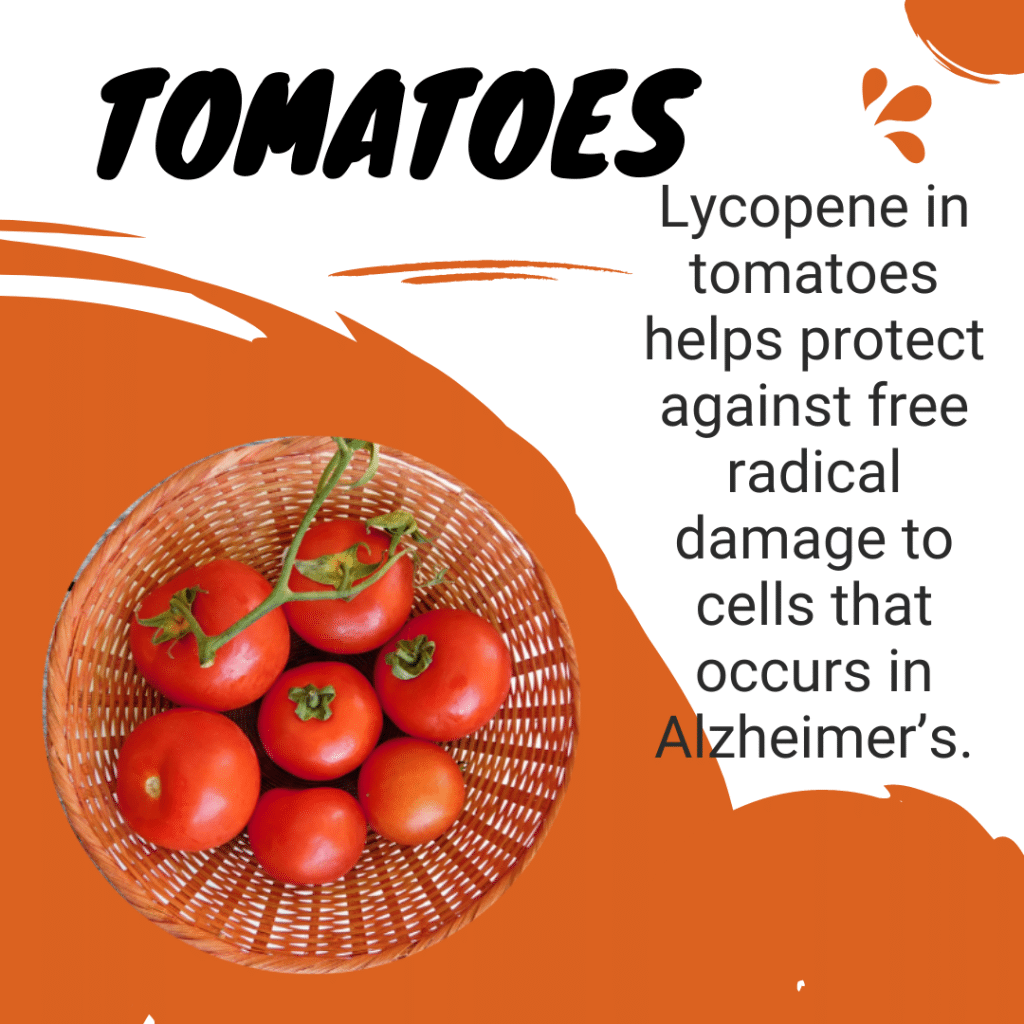
Tomatoes are one of the easiest and most economical ways to increase your intake of a brain-protecting class of plant nutrients called carotenoids. Tomatoes are a rich source of two all-star carotenoids: lycopene and beta-carotene. There is good evidence to suggest that lycopene, a powerful antioxidant found in tomatoes, could help protect against the kind of free radical damage to cells that occurs in the development of dementia, particularly Alzheimer’s. Interestingly, cooking and processing tomatoes increase lycopene bioavailability by releasing it from the vegetable fiber. As a result, lycopene in tomato paste is four times more bioavailable than in fresh tomatoes.