Free Consultation

LD Articles, Resources and Success Stories

Inattentive Kids Show Worse Grades in Later Life

Can a child's ability to pay attention predict future academic success? A long-term study found that childhood inattention was linked to poorer school performance up to 10 years later, even after researchers accounted for intellectual ability. Surprisingly, the effect was not limited to children with ADHD, suggesting that inattentiveness may have lasting consequences for a wide range of learners.

Read more...

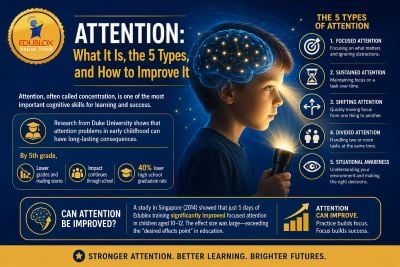
Attention: What It Is, 5 Types, and How to Improve It

Attention, often called concentration, is one of the most important cognitive skills for learning. Discover the five types of attention, how attention difficulties affect academic performance, and what research reveals about improving attenti

Read more...

Television Exposure Linked to Attention Problems in Kids

Can too much television affect a child's ability to pay attention? Research suggests that excessive screen exposure during the early years may be linked to later attention problems. Learn what the studies show, why attention matters for learning, and what parents can do to promote healthy cognitive development.

Read more...

Bone Density Lower With Use of ADHD Stimulant Medicine

Stimulant medications such as Ritalin and amphetamine are widely used to treat ADHD, but could they affect bone health? A study of more than 6,000 children and adolescents found lower bone density and bone mineral content among stimulant users, raising important questions about bone development during childhood and adolescence.

Read more...

Attention Problems in Early Childhood Have Lasting Academic Impact

Children with attention problems in early childhood were 40 percent less likely to graduate from high school, according to a Duke University study that tracked the long-term impact of early attention difficulties on academic achievement.

Read more...

The Western Diet and ADHD in Kids

Chicken nuggets. French fries. Sugary cereals. Soft drinks. Could these foods be affecting more than your child's waistline? Research suggests that a Western diet high in processed foods, sugar, and unhealthy fats may be linked to ADHD and attention problems in children and adolescents. Learn what the science says—and why nutrition may play a role in brain health.

Read more...

Study Confirms Sleep Difficulties in Children with ADHD

A study suggests there is some truth to the claim that children with ADHD have more difficulty falling asleep and tend to sleep more poorly than other children.

Read more...

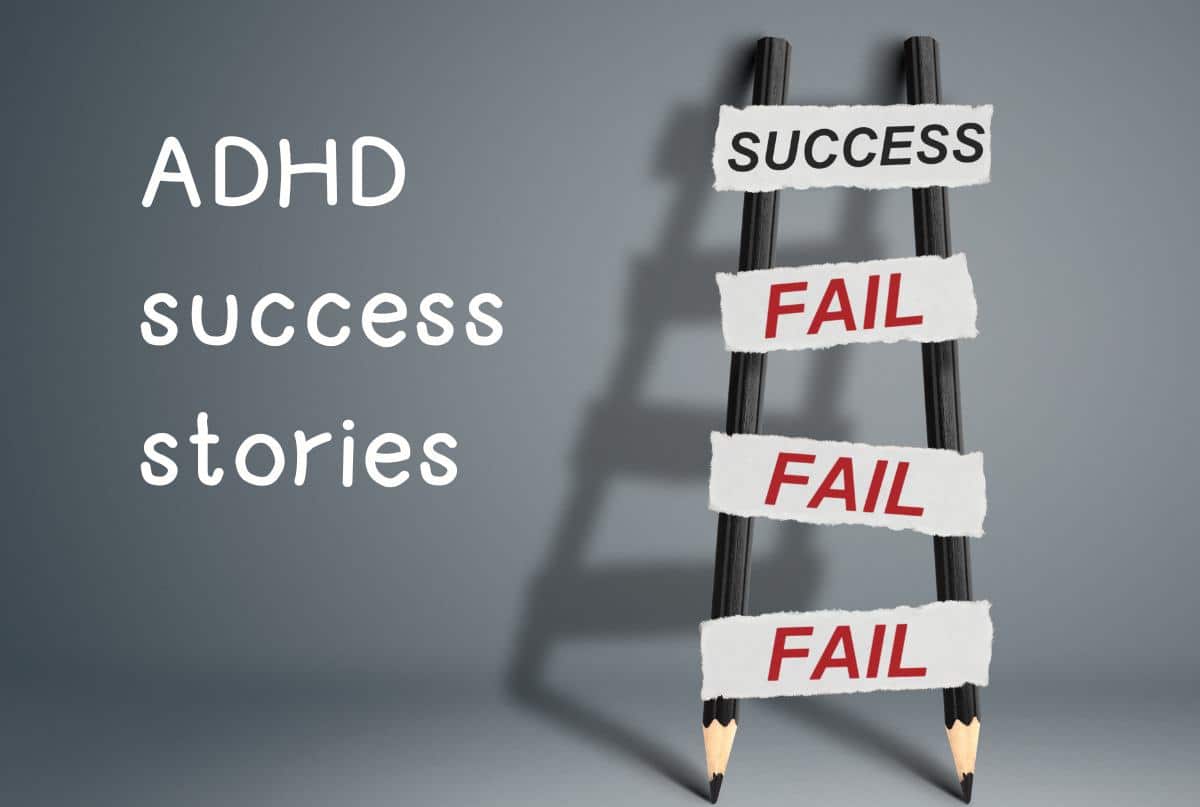
8 ADHD Success Stories of Children and Students

Most ADHD success stories in the press are of famous people who have been successful despite ADHD. Our students aren't renowned. They are ordinary people who overcame or are in the process of overcoming ADHD symptoms.

Read more...

Improving Concentration: A Skill That Can Be Taught

Improving concentration in children can be achieved not only by using clinically proven natural medicines, but also by exposing them to training in the fundamental cognitive skills that underlie the learning process.

Read more...

Green Outdoors Reduce ADHD Symptoms

A study of more than 400 children diagnosed with Attention Deficit Hyperactivity Disorder found a link between the children's routine play settings and the severity of their symptoms.

Read more...

Phones Keep Students from Concentrating during Lectures

While ever-smarter digital devices have made many aspects of our lives easier and more efficient, a growing body of evidence suggests that, by continuously distracting us, they are harming our ability to concentrate.

Read more...

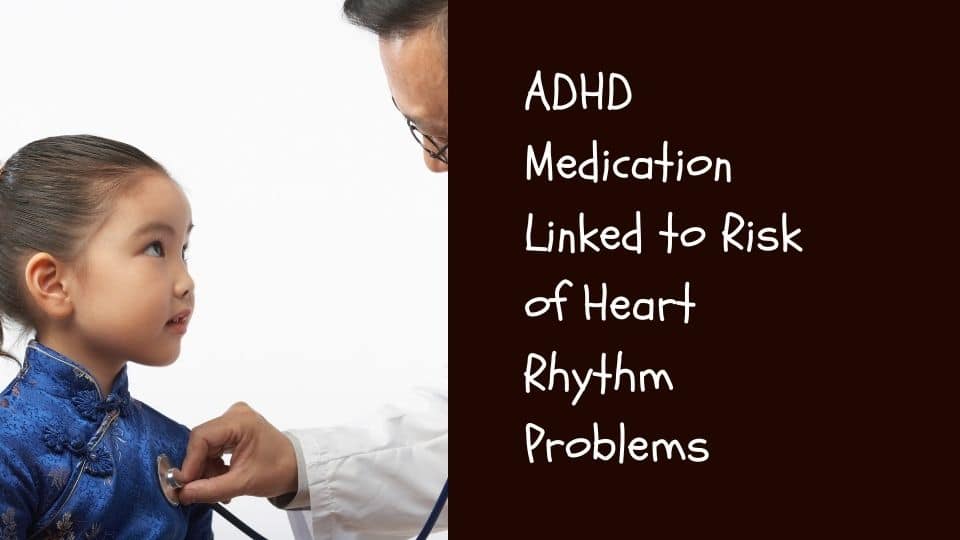
ADHD Medication Linked to Risk of Heart Rhythm Problems

Use of methylphenidate in children and young people with ADHD is associated with a slightly increased risk of abnormal heart rhythm (arrhythmia) shortly after the start of treatment, suggests research published by The BMJ.

Read more...
Contact Us