Free Consultation

LD Articles, Resources and Success Stories

Why Learning Is Not Just “In the Brain”

Modern cognitive science shows that learning is deeply connected to movement, perception, memory, and interaction with the environment. This article explores embodied cognition and why cognitive foundations matter for learning success.

Read more...

Why Cognitive Training Transfers to Academic Learning

Academic learning depends heavily on cognitive skills such as attention, memory, sequencing, and processing speed. This article explores why strengthening these foundations can improve reading, math, and overall learning success.

Read more...

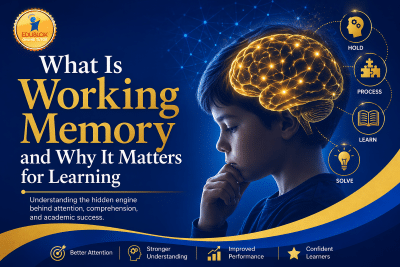
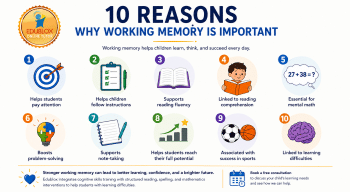
What Is Working Memory and Why It Matters for Learning

Discover what working memory is and why it is essential for reading, math, and learning. Learn how weak working memory affects children—and what helps.

Read more...

Why Your Child Forgets What They Learn

Many children learn something one day and forget it the next. This article explains why—and what actually helps learning stick.

Read more...

Understanding Auditory Processing Deficits

Auditory processing is the brain’s ability to make sense of what we hear. When this system falters, children may struggle with reading, following instructions, or even focusing in class. This article explores the core components of auditory processing, signs of difficulty, and how parents and educators can offer effective support.

Read more...

Math Learning Difficulties: Why Cognitive Training Works When Practice Doesn’t

Practice helps students review what they’ve learned; cognitive training helps them understand it. Discover how one child overcame dyscalculia and rediscovered her confidence through Edublox.

Read more...

Cognitive Training vs Traditional Tutoring: Why One Approach Helped When the Other Didn’t

When regular tutoring failed to help a child with dyslexia and math struggles, a cognitive approach changed everything. Learn why training the brain—not just reteaching content—creates lasting success.

Read more...

What Is Logical Thinking? 6 Types; 5 Exercises to Improve It

Logical thinking is the ability to reason step by step and reach sound conclusions. This article explains six key types of reasoning, why they matter for students, and five simple exercises to improve logical thinking — a vital yet often neglected foundation for learning.

Read more...

Cognitive Skills and Math Ability

Math success depends on more than numbers alone. Core cognitive skills such as memory, sequencing, spatial awareness, and vocabulary form the foundation for learning mathematics. When these skills are weak, students may struggle or even develop dyscalculia — but with the right training, they can be strengthened.

Read more...

Memory Explained: 17 Types and How to Improve Them

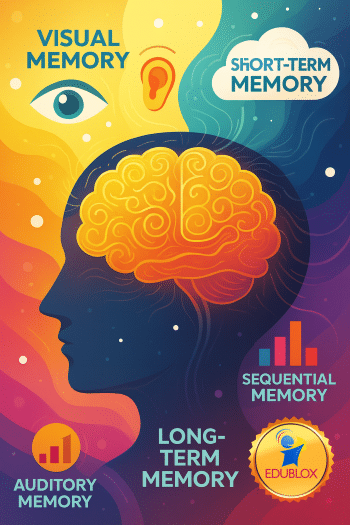
Memory isn’t one skill but many. From sensory and short-term to visual, auditory, sequential, and more, each type plays a role in learning. This guide explains 17 forms of memory and how they can be improved through training.

Read more...

What Is Visual Memory? Types, Importance, Improving

Visual memory helps us remember what we’ve seen — from words on a page to patterns and shapes. This article explores the types of visual memory, its vital role in reading, writing, math, and attention, and how it can be trained and improved.

Read more...

What Is Iconic Memory?

Iconic memory is the brain’s ultra-short-term visual storage—a millisecond “snapshot” of what we see. This article explores its history, how it impacts reading and learning, its role in ADHD and Alzheimer’s, and how it can be strengthened through practice.

Read more...
Contact Us