
Stimulant medications such as methylphenidate (Ritalin and other brands) and amphetamine are among the most commonly prescribed treatments for ADHD. According to the Centers for Disease Control and Prevention (CDC), ADHD affects more than 6 million children in the United States.
Previous research has suggested that stimulant medications may slow children’s rate of growth in height. However, their effects on bone health remain unclear.
Why bone health matters
“Adolescence and young adulthood are critically important times for accruing peak bone mass—the largest and densest bone,” said Dr. Alexis Feuer, a pediatric endocrinologist at Weill Cornell Medicine and the study’s lead investigator.
“Failure to obtain adequate bone mass by early adulthood may result in an increased fracture risk or even the development of osteoporosis later in adulthood.”
Because childhood and adolescence are critical periods for bone development, researchers wanted to determine whether stimulant medication use was associated with differences in bone density.
The study
The researchers analyzed data from the National Health and Nutrition Examination Survey (NHANES), a large CDC program that assesses the health of Americans.
The study included 6,489 participants aged 8 to 20 who underwent bone density scans between 2005 and 2010. Of these participants, 159 used stimulant medications, and 6,330 did not.
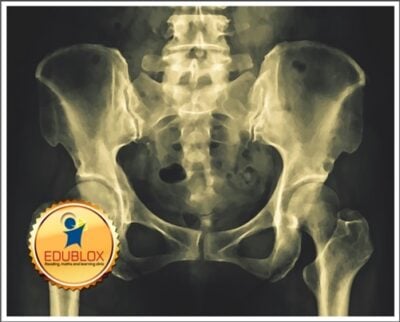
Researchers evaluated bone mineral density and bone mineral content at the hip and lumbar spine using dual-energy X-ray absorptiometry (DXA) scans. Bone mineral content, which measures the weight of bone, is considered a particularly useful measure of bone health in children.
What did the researchers find?
Among stimulant users, bone mineral content was:
- 5.1 percent lower at the lumbar spine
- 5.3 percent lower at the hip
Bone mineral density was:
- 3.9 percent lower at the lumbar spine
- 3.7 percent lower at the hip
compared with participants who did not use stimulant medications.
An association, not proof of cause
The researchers emphasized that the study does not prove that stimulant medications cause lower bone density.
According to Dr. Feuer, additional studies that follow children over time are needed to determine whether stimulant medications directly affect the developing skeleton.
Monitoring bone health
The findings suggest that children and adolescents who use stimulant medications may benefit from monitoring of their bone health during and after treatment.
Researchers recommend ensuring that children:
- Maintain a healthy body weight
- Participate in regular weight-bearing exercise
- Consume adequate calcium
- Get sufficient vitamin D
Routine DXA bone scans are not recommended at this time.
The bottom line
A study of more than 6,000 children and adolescents found that those using ADHD stimulant medications had lower bone density and bone mineral content than non-users. While the study found an association rather than a cause-and-effect relationship, the findings highlight the importance of supporting bone health in children receiving stimulant treatment.