Request Information

LD Articles, Resources and Success Stories

What Does Severe Dyslexia Look Like — and Can It Be Improved?

What does severe dyslexia really look like? Watch real examples of students reading and see how one student, despite three years of previous treatment, progressed from the 1st to the 55th percentile in reading after an intensive Edublox program.

Read more...

40 Common Signs of Dyslexia in Children

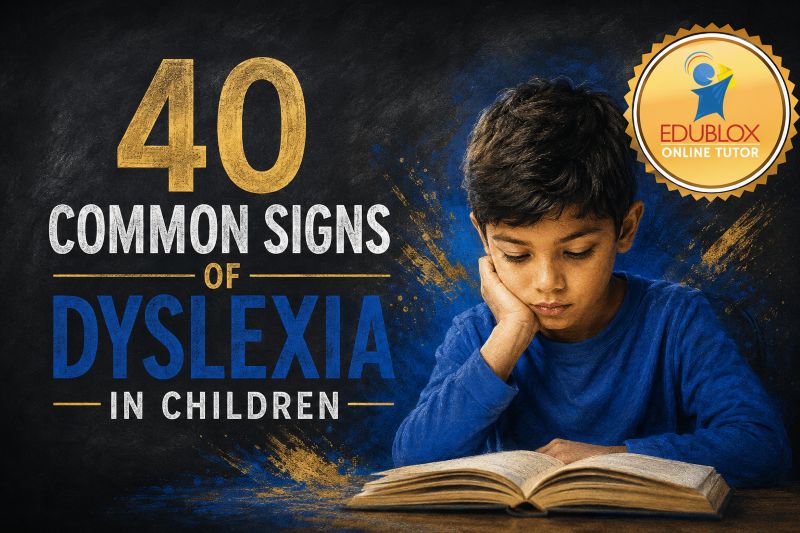
Dyslexia can show up in many different ways. Explore 40 common signs of dyslexia in children, from reading and spelling errors to difficulties with memory, sequencing, concentration, and classroom learning.

Read more...

Dyslexia Hub: Symptoms, Causes, Treatment & Support

The Dyslexia Hub is your central guide to understanding, identifying, and supporting learners with reading difficulties. Organized into clear sections — from foundations and symptoms to causes, treatment, impact, and research — it offers parents, teachers, and professionals a trusted pathway through the many facets of dyslexia.

Read more...

The People Who Can Taste Words

What if Tuesday tasted like mashed potatoes, or a name produced the flavor of chocolate? For people with lexical-gustatory synesthesia, words can trigger vivid and remarkably consistent tastes — sometimes even before the word itself comes to mind.

Read more...

The Scent of Memory: How Roses Can Help the Sleeping Brain Remember

Can a scent help your sleeping brain remember? A remarkable experiment with roses revealed a strange connection between smell, sleep, and memory consolidation.

Read more...

Understanding Math Today, Forgetting It Tomorrow

Why do some children understand math one day but forget it the next? Discover how memory and cognitive skills shape mathematical learning.

Read more...

Number Sense: A Key to Mathematical Success

Number sense is one of the foundations of mathematical success. It enables children to understand quantities, compare numbers, estimate, and solve problems with confidence. This article explains what number sense is, why it matters, and how weaknesses in this essential skill can affect learning and achievement in mathematics.

Read more...

Dyslexia Intervention: Why Repetition Is Vital

Repetition is often misunderstood as mindless drill, yet it is one of the most powerful principles in dyslexia intervention. Discover how structured, purposeful repetition develops automaticity, strengthens neural pathways, and helps children become fluent, confident readers and spellers.

Read more...

Is Dyslexia Really a Gift?

Is dyslexia really a gift? Explore the scientific evidence behind this popular belief and discover what research says about dyslexia, intelligence, creativity, and success.

Read more...

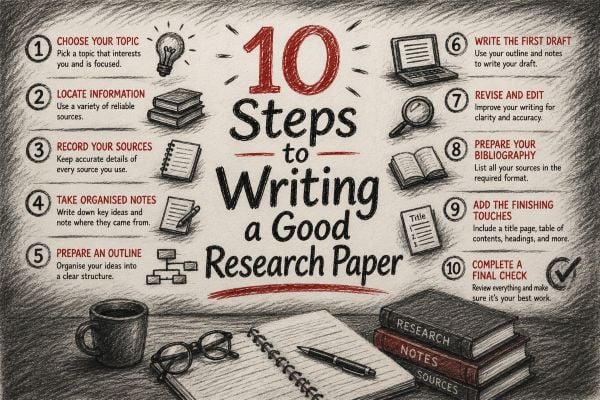
10 Steps to Writing a Good Research Paper

Writing a good research paper requires careful planning, reliable sources, and clear writing. Following these ten steps will help you produce a well-organised and informative paper.

Read more...

The 5 Main Types of Learning Disabilities

Learning disabilities are more than academic struggles. They are neurologically based difficulties that can affect reading, writing, mathematics, language, and reasoning. This article explores the five main types of learning disabilities—dyslexia, dysgraphia, dyscalculia, developmental language disorder, and nonverbal learning disability.

Read more...

10 Conditions That Can Affect Learning

Why does one child struggle with reading while another battles with math, attention, or language? This parent-friendly guide explains 10 common conditions that can affect learning, including dyslexia, dysgraphia, dyscalculia, ADHD, autism, dyspraxia, and processing disorder

Read more...

Request Information

Complete the form below to receive our free digital information pack. We’ll contact you to answer your questions and discuss how we may be able to help your child or student.

Your information will only be used to respond to your inquiry.
Contact Us