What Is Iconic Memory?
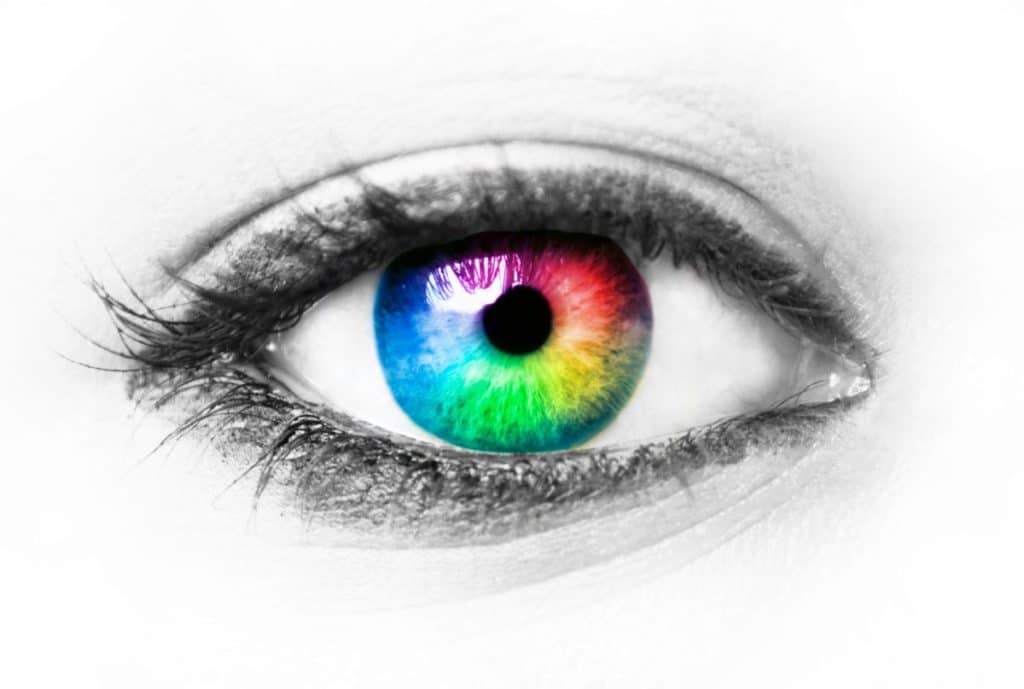
Iconic memory is the brain’s ultra-short-term visual storage—a millisecond “snapshot” of what we see. This article explores its history, how it impacts reading and learning, its role in ADHD and Alzheimer’s, and how it can be strengthened through practice.
Dyscalculia Types and Subtypes
Dyscalculia refers to persistent and severe difficulties in learning math. This article explores its types and subtypes, including developmental, acquired, and functional classifications, as well as cognitive and behavioral subtypes proposed by researchers.
Vivienne Took the Driver’s Learner’s Permit Test and Passed!

Mom Susan Palmberg shares her joy after her daughter passed her Driver’s Learner’s Permit.
Dyscalculia Characteristics, Symptoms and Signs
Some children aren’t just “bad at math”—they may have dyscalculia, a learning difficulty that affects how the brain understands numbers. Discover the symptoms and signs by age, from preschool through adulthood, and why early support matters.
Is Dyslexia Incurable? – Ask Sue
A parent asks if dyslexia is truly incurable after their child’s diagnosis. Sue explains what research shows about neuroplasticity, and how evidence-based teaching and cognitive training can lead to real progress — with age-appropriate reading as an achievable goal.
What Is Edublox Online Tutor?
Edublox is an educational method that integrates cognitive training with reading, writing, or math tutoring based on solid learning principles. Edublox assists students in becoming life-long learners and empowers them to realize their highest educational goals. While Edublox is not a quick fix, its use can permanently alleviate the symptoms of learning disabilities like dyslexia and dyscalculia.
Dyslexia Specialist: Sue du Plessis
Sue conceptualized the Edublox teaching and learning methods that have helped thousands of children struggling academically to read, learn, and achieve.
Video: Dyslexia Explained to Kids
Kids may have heard the word dyslexia, but do they really know what it means? In this video, we explain the origin of the word, what dyslexia is, and how it can affect reading and learning. By understanding dyslexia, children can feel more confident in their learning journey and know they’re not alone.
Dyslexia and the Brain: What Science Reveals
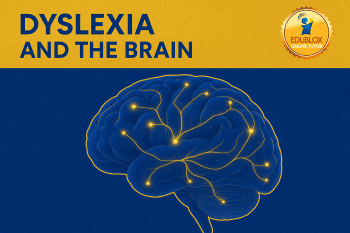
This article dives into the neuroscience of dyslexia, from 19th-century theories to modern imaging studies. It highlights groundbreaking research on neuroplasticity and explores how the brain’s remarkable ability to adapt offers hope for struggling readers. While science continues to investigate the roots of dyslexia, one thing is clear: the human brain has the power to overcome.
What Is the Lowest Common Denominator?
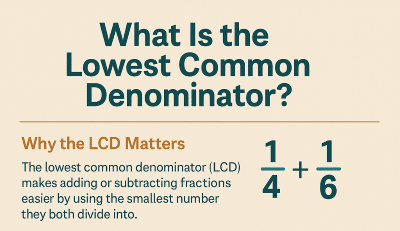
The Lowest Common Denominator (LCD) is more than a math term—it’s a powerful tool for making sense of fractions. By helping students “speak the same language” in math, the LCD builds number sense, clears up confusion, and sets the stage for algebra success. This article unpacks why it matters, how to teach it, and the cognitive strategies that make it stick.
Dyslexia in Children: Signs, Support, and Solutions
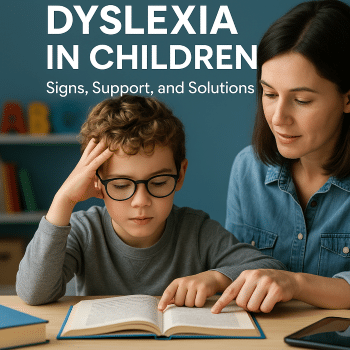
Dyslexia affects up to 1 in 5 children and can impact reading, spelling, and confidence. Learn how to spot the signs early and support your child with proven strategies rooted in research.
Video: Dyslexia—A Multi-Cognitive Deficit Requiring Multi-Cognitive Training
Dyslexia is not caused by a single deficit—it stems from multiple cognitive weaknesses. That’s why effective intervention must go beyond phonics or isolated skill drills. Cognitive training should be a core component, and not just any training, but multi-cognitive training.