What Is Logical Thinking? 6 Types; 5 Exercises to Improve It
Logical thinking is the ability to reason step by step and reach sound conclusions. This article explains six key types of reasoning, why they matter for students, and five simple exercises to improve logical thinking — a vital yet often neglected foundation for learning.
Cognitive Skills and Math Ability
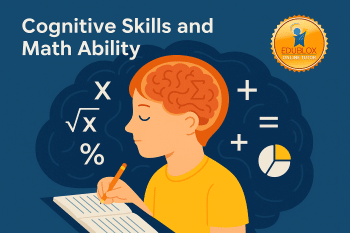
Math success depends on more than numbers alone. Core cognitive skills such as memory, sequencing, spatial awareness, and vocabulary form the foundation for learning mathematics. When these skills are weak, students may struggle or even develop dyscalculia — but with the right training, they can be strengthened.
12 Dyscalculia Success Stories from Real Families
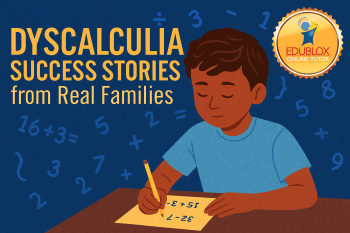
Most dyscalculia success stories in the press are about celebrities who succeeded despite their struggles. These 12 stories are different. They come from ordinary families whose children overcame the daily challenges of dyscalculia with the right support — and found new confidence along the way.
Teaching Hub: Free Resources and Worksheets
Welcome to the Edublox Teaching Hub — your one-stop destination for practical, research-informed resources to support children’s learning. Here you’ll find free worksheets, activities, and teaching guides designed to build essential cognitive and academic skills step by step. Whether you’re a parent, tutor, or teacher, these tools will help make learning more engaging, structured, and effective.
Genie: A Feral Child Abused, Neglected, and Isolated
Genie, a feral child discovered in California in 1970, endured years of abuse and isolation. Her case shocked the world, deepened our understanding of language and psychology, and raised lasting ethical questions about how science studies — and cares for — society’s most vulnerable.
Dyslexia: Biography of James Hinshelwood
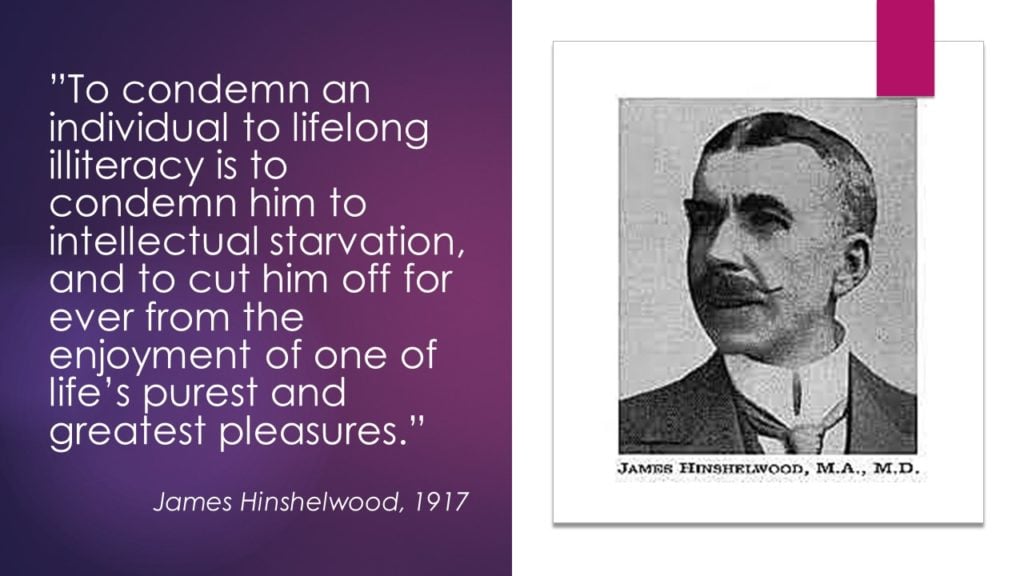
James Hinshelwood is considered the father of the study of dyslexia. Long before the term neuroplasticity was coined, he recognized that the brain could adapt through systematic instruction. His groundbreaking work on “congenital word-blindness” anticipated much of modern understanding about dyslexia, making him one of the most visionary figures in the history of reading science.
Kellogg’s Study: The Ape and the Child
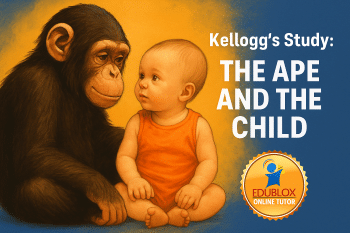
In the 1930s, psychologist Winthrop Niles Kellogg carried out one of the most unusual experiments in psychology: raising his infant son alongside a young chimpanzee. Known as “The Ape and the Child,” the study revealed surprising similarities, striking differences, and lasting insights into what makes us human.
Watch: Severe Dyslexia Success Story
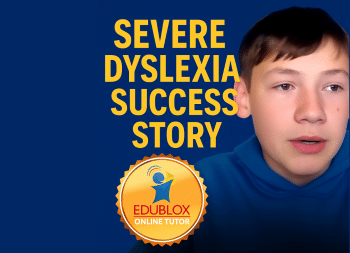
Cristiano was diagnosed with double-deficit dyslexia, one of the most severe forms of the condition. With Edublox’s structured program—integrating targeted reading instruction and cognitive training—he made remarkable gains in fluency, confidence, and overall learning.
Edublox: 200+ Reviews and Success Stories

Parents share their children’s progress in reading, spelling, handwriting, and math after enrolling them in the Edublox program.
The Research and Neuroscience of Dyscalculia
For decades, math difficulties were dismissed as carelessness or poor teaching. Research now shows dyscalculia has clear cognitive and neural roots. This article explores key findings from psychology, neuroscience, and genetics — and why they matter for children struggling with math.
The History and Recognition of Dyscalculia
Dyscalculia, a math learning disability as common as dyslexia, has long been overlooked. This article traces its history, global recognition, and why awareness matters.
17 Dyslexia Success Stories from Real Families
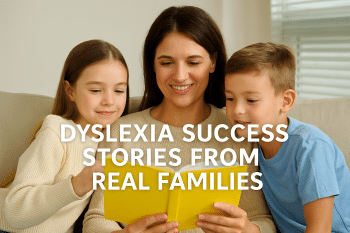
Not all dyslexia success stories involve celebrities. These real-life stories of ordinary children and teens overcoming reading struggles prove that with the right support, progress is possible.