Skip to content
Help for learning disabilities
Home
Products & Services
Success Stories
Resources
Dyslexia
Dyscalculia
Cognitive Skills
Reading and Learning Research
Edublox Explained
Edublox Research
Top Success Stories
All Articles
About
About Us
Contact Us
Contact us
Home
Products & Services
Success Stories
Resources
Dyslexia
Dyscalculia
Cognitive Skills
Reading and Learning Research
Edublox Explained
Edublox Research
Top Success Stories
All Articles
About
About Us
Contact Us
Contact us
Sign In
Free Consultation
Register
LD Articles, Resources and Success Stories
Search
Filter by category
Cognitive Skills and Study Methods
All
Attention Deficits and ADHD
Cognitive Skills and Study Methods
Dyscalculia and Math Difficulties
Dysgraphia and Writing Problems
Dyslexia and Reading Difficulties
Edublox in the Press and Edublox News
Edublox Research
IQ, Intelligence and Brain Power
Kids' Health
Language Development and Language Learning
Overcoming Learning Barriers: Ask Sue for Help
Overcoming Learning Barriers: Top Success Stories
Parenting, Home and Family
Reading and Learning Research
Teaching Resources
Uncategorized
Unusual and Amazing
What's on for Breakfast, Lunch and Supper?
1
2
3
4
5
Cognitive Skills and Study Methods
Understanding Auditory Processing Deficits
Auditory processing is the brain’s ability to make sense of what we hear. When this system falters, children may struggle with reading, following instructions, or even focusing in class. This article explores the core components of auditory processing, signs of difficulty, and how parents and educators can offer effective support.
Read more...
Cognitive Skills and Study Methods
Math Learning Difficulties: Why Cognitive Training Works When Practice Doesn’t
Practice helps students review what they’ve learned; cognitive training helps them understand it. Discover how one child overcame dyscalculia and rediscovered her confidence through Edublox.
Read more...
Cognitive Skills and Study Methods
Cognitive Training vs Traditional Tutoring: Why One Approach Helped When the Other Didn’t
When regular tutoring failed to help a child with dyslexia and math struggles, a cognitive approach changed everything. Learn why training the brain—not just reteaching content—creates lasting success.
Read more...
Cognitive Skills and Study Methods
What Is Logical Thinking? 6 Types; 5 Exercises to Improve It
Logical thinking is the ability to reason step by step and reach sound conclusions. This article explains six key types of reasoning, why they matter for students, and five simple exercises to improve logical thinking — a vital yet often neglected foundation for learning.
Read more...
Cognitive Skills and Study Methods
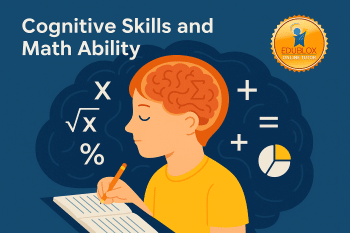
Cognitive Skills and Math Ability
Math success depends on more than numbers alone. Core cognitive skills such as memory, sequencing, spatial awareness, and vocabulary form the foundation for learning mathematics. When these skills are weak, students may struggle or even develop dyscalculia — but with the right training, they can be strengthened.
Read more...
Cognitive Skills and Study Methods
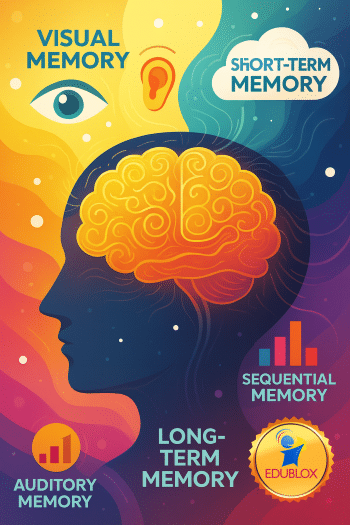
Memory Explained: 17 Types and How to Improve Them
Memory isn’t one skill but many. From sensory and short-term to visual, auditory, sequential, and more, each type plays a role in learning. This guide explains 17 forms of memory and how they can be improved through training.
Read more...
Cognitive Skills and Study Methods
What Is Visual Memory? Types, Importance, Improving
Visual memory helps us remember what we’ve seen — from words on a page to patterns and shapes. This article explores the types of visual memory, its vital role in reading, writing, math, and attention, and how it can be trained and improved.
Read more...
Cognitive Skills and Study Methods
What Is Iconic Memory?
Iconic memory is the brain’s ultra-short-term visual storage—a millisecond “snapshot” of what we see. This article explores its history, how it impacts reading and learning, its role in ADHD and Alzheimer’s, and how it can be strengthened through practice.
Read more...
Cognitive Skills and Study Methods
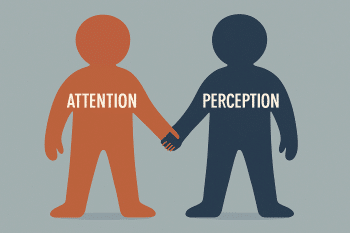
Attention and Perception: How Attention Shapes What We See
We don’t perceive the world as it is — we perceive what we attend to. This article unpacks how attention acts as a mental filter, shaping our experience of reality. From cocktail parties to shadowing experiments, perception is revealed not as passive recording but as active selection.
Read more...
Cognitive Skills and Study Methods
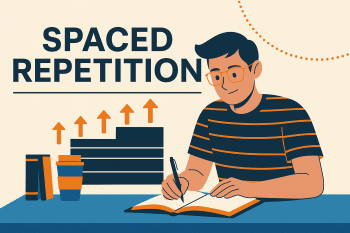
Why Spaced Repetition Is Important to Learning and How to Do It
Spaced repetition isn’t just smart—it’s scientifically proven to make learning faster and more durable. Based on pioneering work by Hermann Ebbinghaus, this article explains how timing your reviews over days—not hours—can slash effort, strengthen memory, and allow your brain to consolidate knowledge even while you sleep.
Read more...
Cognitive Skills and Study Methods
Learning Skills vs. Learning Strategies: Why the Difference Matters
Many educators confuse learning skills with learning strategies, but the distinction is critical. This article breaks down the difference, why it matters, and how getting it right leads to more effective teaching and learning.
Read more...
Cognitive Skills and Study Methods
What Drives Us to Learn? Understanding Motivation in Simple Terms
Have you ever wondered why one student dives eagerly into a project while another needs ten reminders just to get started? That difference often comes down to motivation—the invisible force that gets us going, keeps us going or sometimes makes us want to give up.
Read more...
1
2
3
4
5
Contact Us
We use cookies to ensure that we give you the best experience on our website. If you continue to use this site we will assume that you are happy with it.
Ok
Privacy policy