Skip to content
Help for learning disabilities
Home
Products & Services
Success Stories
Resources
Dyslexia
Dyscalculia
Cognitive Skills
Reading and Learning Research
Edublox Explained
Edublox Research
Top Success Stories
All Articles
About
About Us
Contact Us
Contact us
Home
Products & Services
Success Stories
Resources
Dyslexia
Dyscalculia
Cognitive Skills
Reading and Learning Research
Edublox Explained
Edublox Research
Top Success Stories
All Articles
About
About Us
Contact Us
Contact us
Sign In
Free Consultation
Register
LD Articles, Resources and Success Stories
Search
Filter by category
All
All
Attention Deficits and ADHD
Cognitive Skills and Study Methods
Dyscalculia and Math Difficulties
Dysgraphia and Writing Problems
Dyslexia and Reading Difficulties
Edublox in the Press and Edublox News
Edublox Research
IQ, Intelligence and Brain Power
Kids' Health
Language Development and Language Learning
Overcoming Learning Barriers: Ask Sue for Help
Overcoming Learning Barriers: Top Success Stories
Parenting, Home and Family
Reading and Learning Research
Teaching Resources
Uncategorized
Unusual and Amazing
What's on for Breakfast, Lunch and Supper?
Showing articles with tag:
dyslexia_pu
|
Clear
Dyslexia and Reading Difficulties
How Is Dyslexia Diagnosed?
A dyslexia diagnosis requires a full evaluation, not just a single test. Learn what’s involved in screening and assessment, who can diagnose dyslexia, and the steps you can take to support your child afterward.
Read more...
Dyslexia and Reading Difficulties
17 Dyslexia Success Stories from Real Families
Not all dyslexia success stories involve celebrities. These real-life stories of ordinary children and teens overcoming reading struggles prove that with the right support, progress is possible.
Read more...
Dyslexia and Reading Difficulties
Directional Confusion May Be a Sign of Dyslexia
Directional confusion is a common symptom of dyslexia that affects reading, writing, and spatial awareness. Learn how problems with left–right orientation and position in space develop, and how they impact learning.
Read more...
Dyslexia and Reading Difficulties
Sequencing Difficulties: A Symptom of Dyslexia
Sequencing refers to our ability to perceive items in a specific order and remember that sequence. In saying the days of the week, months of the year, a telephone number, the alphabet, and counting, the order of the elements is paramount.
Read more...
Dyslexia and Reading Difficulties
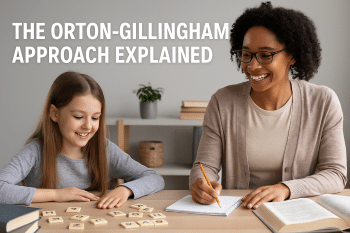
The Orton-Gillingham Approach Explained
The Orton-Gillingham approach is one of the most respected forms of structured literacy for students with dyslexia. But while OG teaches the how of reading, Edublox takes it further—combining OG with cognitive training to address the root causes of reading struggles. The result? Life-changing improvements in reading, confidence, and learning ability.
Read more...
Dyslexia and Reading Difficulties
Dyslexia Symptoms, Early Warning Signs, and Risk Factors
What are the symptoms of dyslexia? Learn how to recognize eight core dyslexia symptoms, spot early warning signs before school starts, understand key risk factors, and explore proven ways to support your child’s reading journey.
Read more...
Dyslexia and Reading Difficulties
What Are the 12 Types of Dyslexia?
This article explores 12 types of dyslexia, including primary, secondary, developmental, acquired, phonological, surface, deep, and rare subtypes. Learn how each affects reading and how targeted help can make a difference.
Read more...
Dyslexia and Reading Difficulties
Dyslexia and the Brain: What Science Reveals
This article dives into the neuroscience of dyslexia, from 19th-century theories to modern imaging studies. It highlights groundbreaking research on neuroplasticity and explores how the brain’s remarkable ability to adapt offers hope for struggling readers. While science continues to investigate the roots of dyslexia, one thing is clear: the human brain has the power to overcome.
Read more...
Dyslexia and Reading Difficulties
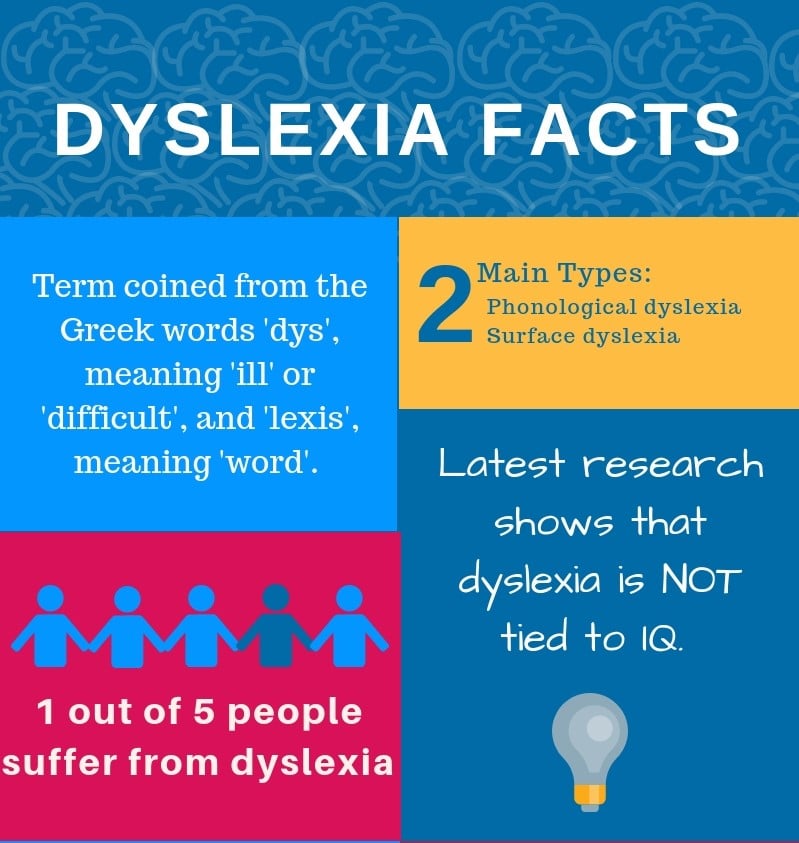
20 Facts About Dyslexia
Dyslexia is more than letter reversals and slow reading. It’s a complex learning difficulty that affects millions — but with the right support, success is possible. Here are 20 essential facts every parent, teacher, and advocate should know.
Read more...
Dyslexia and Reading Difficulties
The 3 Leading Causes of Dyslexia
The term dyslexia refers to persons for whom reading is simply beyond their reach. This article investigates the top three possible causes of dyslexia: genetic influences, cognitive deficits, and brain differences.
Read more...
Dyslexia and Reading Difficulties
Auditory Dyslexia: What It Is and How to Treat It
Auditory dyslexia is a subtype of dyslexia that refers to children who struggle with reading because they have problems processing the basic sounds of language (phonemes), sounds of letters, and groups of letters.
Read more...
Contact Us
We use cookies to ensure that we give you the best experience on our website. If you continue to use this site we will assume that you are happy with it.
Ok
Privacy policy