Free Consultation

LD Articles, Resources and Success Stories

Understanding Math Today, Forgetting It Tomorrow

Why do some children understand math one day but forget it the next? Discover how memory and cognitive skills shape mathematical learning.

Read more...

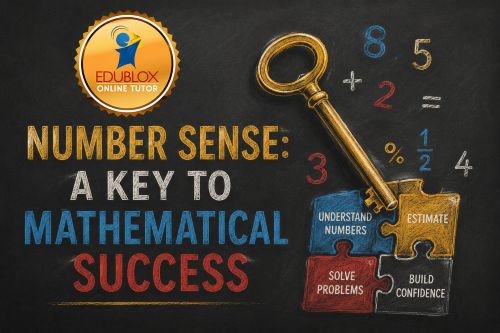
Number Sense: A Key to Mathematical Success

Number sense is one of the foundations of mathematical success. It enables children to understand quantities, compare numbers, estimate, and solve problems with confidence. This article explains what number sense is, why it matters, and how weaknesses in this essential skill can affect learning and achievement in mathematics.

Read more...

Dyslexia Intervention: Why Repetition Is Vital

Repetition is often misunderstood as mindless drill, yet it is one of the most powerful principles in dyslexia intervention. Discover how structured, purposeful repetition develops automaticity, strengthens neural pathways, and helps children become fluent, confident readers and spellers.

Read more...

Is Dyslexia Really a Gift?

Is dyslexia really a gift? Explore the scientific evidence behind this popular belief and discover what research says about dyslexia, intelligence, creativity, and success.

Read more...

10 Steps to Writing a Good Research Paper

Writing a good research paper requires careful planning, reliable sources, and clear writing. Following these ten steps will help you produce a well-organised and informative paper.

Read more...

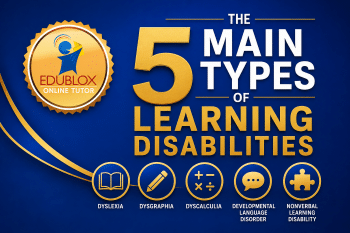
The 5 Main Types of Learning Disabilities

Learning disabilities are more than academic struggles. They are neurologically based difficulties that can affect reading, writing, mathematics, language, and reasoning. This article explores the five main types of learning disabilities—dyslexia, dysgraphia, dyscalculia, developmental language disorder, and nonverbal learning disability.

Read more...

10 Conditions That Can Affect Learning

Why does one child struggle with reading while another battles with math, attention, or language? This parent-friendly guide explains 10 common conditions that can affect learning, including dyslexia, dysgraphia, dyscalculia, ADHD, autism, dyspraxia, and processing disorder

Read more...

Landmark Studies in Dyslexia Research

What transformed dyslexia from a mysterious reading problem into one of the most researched learning difficulties in the world? Explore the landmark studies and researchers that shaped modern understanding of dyslexia over the past century.

Read more...

Comorbidity of Dyslexia: 5 Related Disorders

Dyslexia rarely travels alone. Many children and adults with dyslexia also experience difficulties with mathematics, handwriting, word retrieval, coordination, or attention.

Read more...

The Dyslexia Debate and the Reality of Reading Failure

Is dyslexia a neurological condition, a learning difference, a gift, a myth, or simply the result of poor instruction? While experts continue to debate the label, one fact remains undeniable: some children experience extraordinary difficulty learning to read. This article explores the dyslexia debate, the devastating consequences of reading failure, and why there is reason for hope.

Read more...

Dyslexia Theories and Models

Explore six major dyslexia theories and models, from the discrepancy model and phonological deficit theory to the multiple deficit model. Learn how scientific thinking about dyslexia has evolved and why many researchers now view dyslexia as a multifaceted learning difficulty.

Read more...

Sight Words: What Are They? High-Frequency Word Lists

What are sight words, and why are they important for reading fluency? Learn the difference between sight words and high-frequency words, explore the Dolch and Fry word lists, and discover how children build a sight-word vocabulary.

Read more...
Contact Us